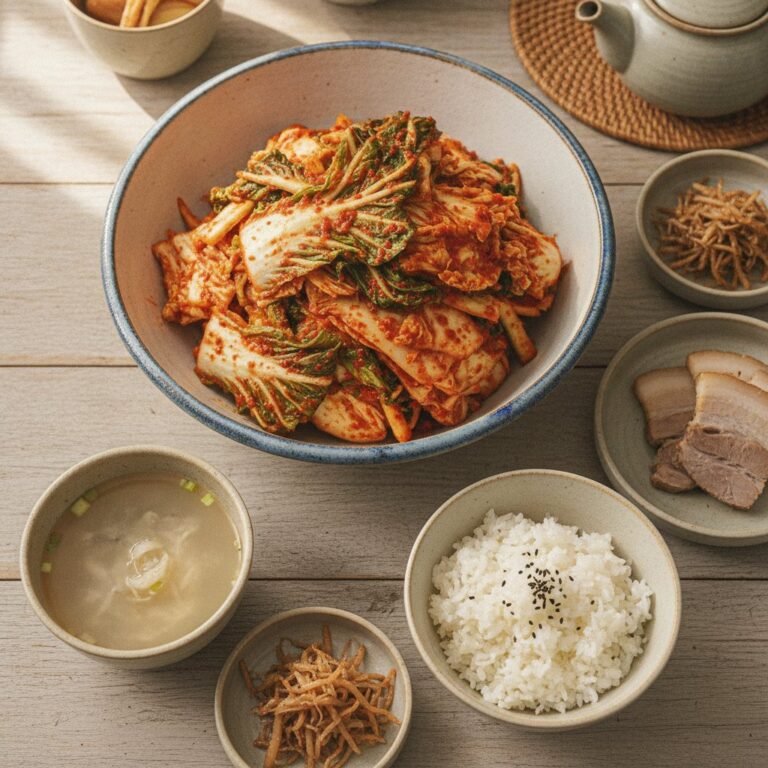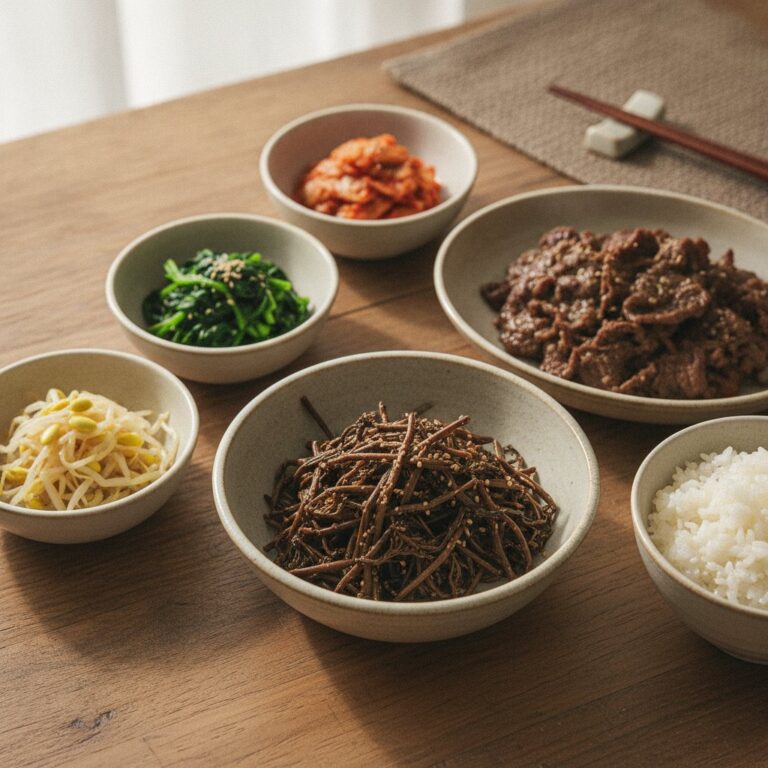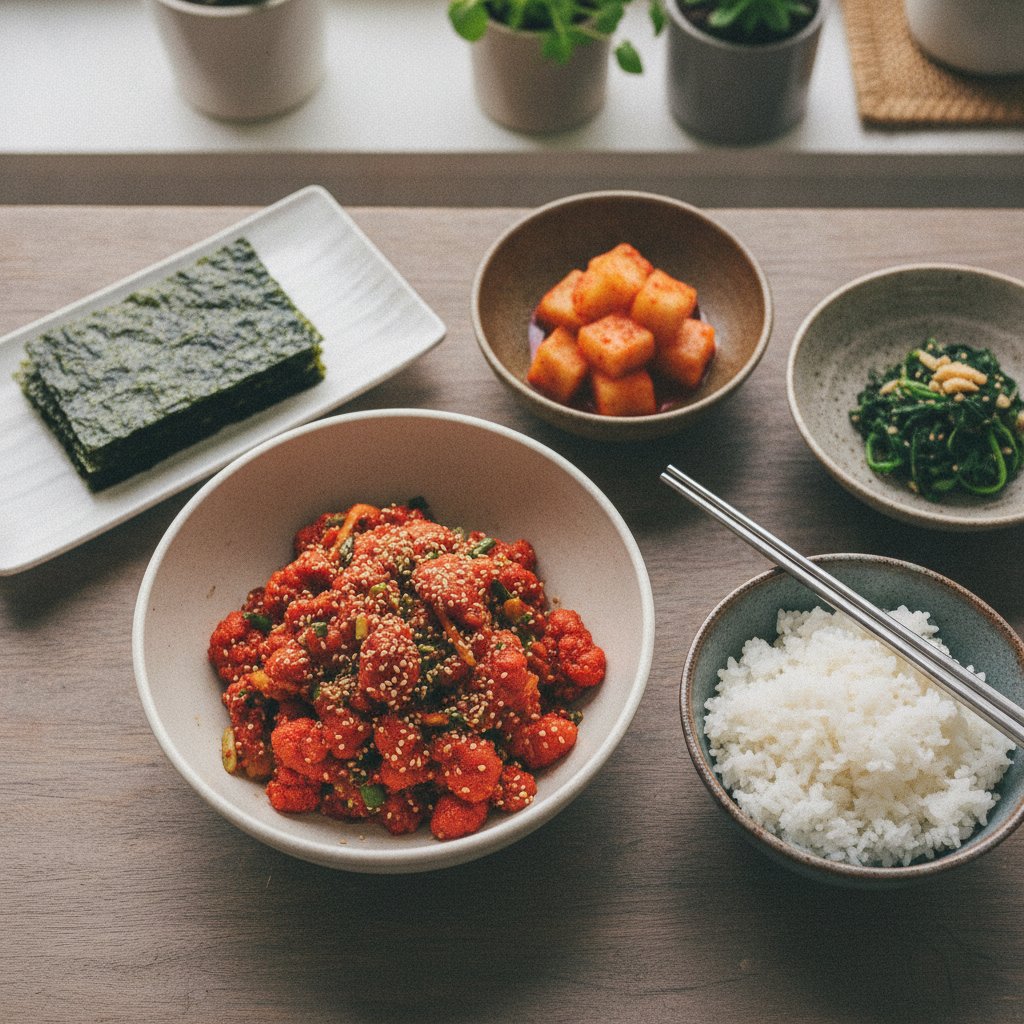
Easy Korean Seasoned Pollack Roe (Myeongranjeot Muchim)
This post contains affiliate links. As an Amazon Associate, we earn from qualifying purchases at no extra cost to you.
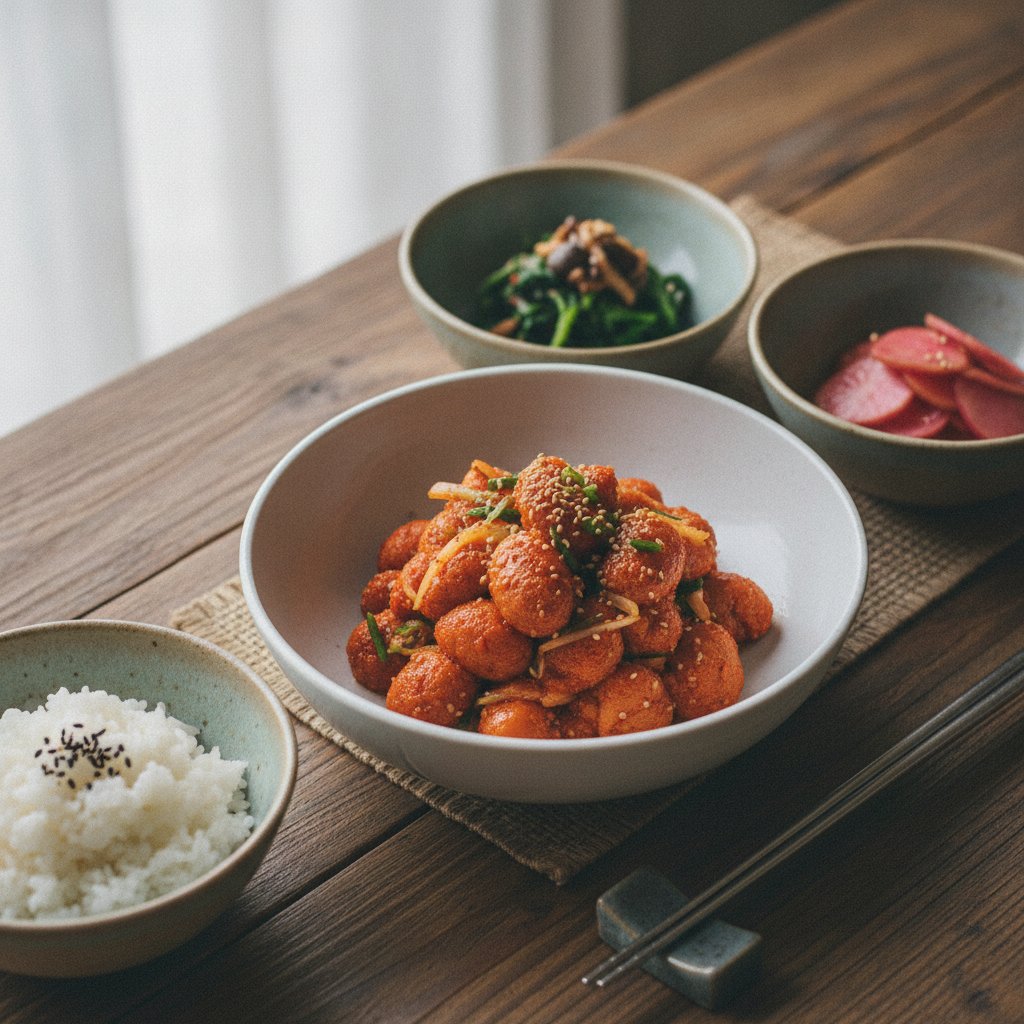
My grandmother always kept a small glass jar tucked into the coldest corner of her refrigerator here in Seoul, filled with plump, pinkish-red pods of salted pollack roe. Whenever the dinner table felt a bit sparse, she would pull out two small pods, snip them into bite-sized pieces with her kitchen shears, and toss them with toasted sesame oil, minced garlic, and freshly chopped scallions. Within two minutes, a humble staple transformed into the most addictive banchan (Korean side dish) imaginable.
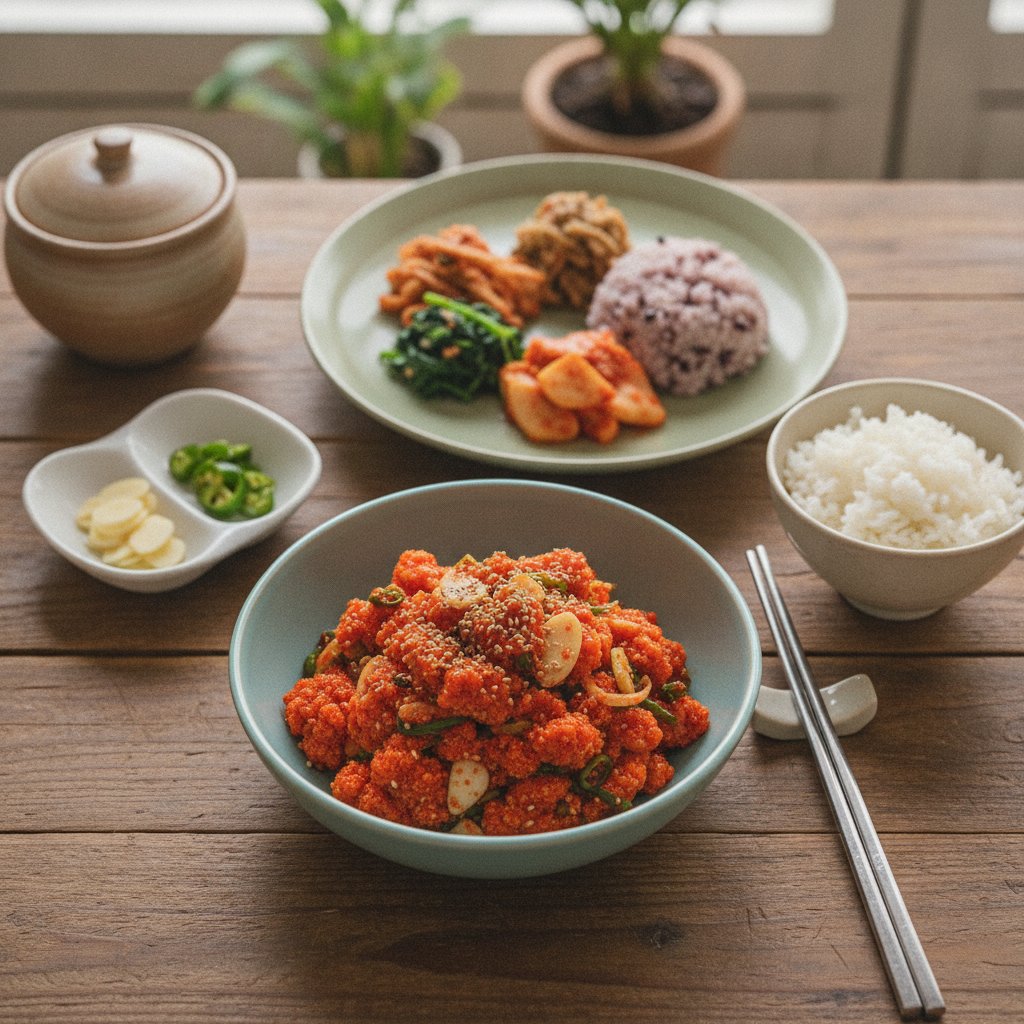
This quick preparation is known as myeongranjeot muchim (seasoned salted pollack roe). In Korean homes, myeongranjeot (salted cured pollack roe) is prized as a luxury ingredient, but eating it plain right out of the jar can sometimes feel a bit overly salty or one-dimensional. By dressing it with aromatic Korean staples, you soften its sharp saltiness, mask any lingering fishiness, and highlight the rich, buttery umami packed inside those tiny egg sacks. It is the ultimate classic Korean pollack roe side dish, traditionally eaten alongside steaming bowls of white rice, folded into warm soup broths, or tucked inside crispy sheets of toasted sea laver.
Why This Works
- Slitting the membrane skin: Scoring or lightly removing the outer membrane allows the nuttiness of the sesame oil and garlic to coat every individual egg grain, rather than pooling on the smooth outer skin.
- A tiny drop of fruit extract or sweetener: Adding just a quarter teaspoon of Korean green plum extract (maesil-cheong) or mirin cuts the intense cure saltiness without turning the savory dish sweet.
- Gentle folding with chopsticks: Tossing the seasoned roe gently with chopsticks preserves the delicate texture of the individual egg clusters so they don’t turn into a watery paste.
Ingredients
- 200 g (about 7 oz / 2 whole pods): Salted pollack roe (myeongranjeot), whole or unseasoned style
- 15 g (about 1 tbsp / 2 medium stalks): Green onions or scallions, finely chopped
- 1 large clove: Fresh garlic, finely minced (about 5 g / 1 tsp)
- 15 ml (1 tbsp): Deeply toasted Korean sesame oil (cham-gireum)
- 3 g (about 1 tsp): Korean coarse chili flakes (gochugaru), adjusted to taste
- 3 ml (about 1/2 tsp): Korean green plum extract (maesil-cheong) or sweet mirin
- 3 g (about 1 tsp): Whole toasted white sesame seeds
- 1/2 fresh green or red chili pepper (such as Cheongyang chili): Finely sliced into tiny rings (optional, for heat)
Substitutions
If you cannot source traditional Korean myeongranjeot at your local Asian grocery store or via online delivery, Japanese mentaiko (salted cod or pollack roe) is the absolute best alternative. Japanese mentaiko is often salted in a very similar manner, though it may sometimes be slightly spicier or milder depending on the brand. If your roe pod comes already heavily spiced with red pepper paste, reduce the added gochugaru in this recipe by half so you don’t overpower the natural brine.
If you cannot find Korean green plum extract (maesil-cheong), simply combine 1/2 teaspoon of mild honey or rice syrup with two drops of apple cider vinegar. This reproduces the gentle fruity acidity and rounded sweetness that balances cured fish roe so beautifully.
🛒 Easy Korean Seasoned Pollack Roe
As an Amazon Associate we earn from qualifying purchases.
Shop Ingredients & Tools →How to Make It
- Prep and open the roe pods: Place the salted pollack roe pods flat on a clean cutting board. Using a sharp knife or scissors, make a light lengthwise slit down the top membrane of each pod. Gently scrape out the loose eggs inside using the back of a spoon if you prefer a smooth texture, or simply slice the entire pod horizontally into 1/2-inch thick bite-sized coins. Why: Opening or slicing the protective casing ensures the seasonings can penetrate deep into the dense egg clusters instead of sliding off the outer layer.
- Combine the fresh aromatics: In a small, cold mixing bowl, combine the finely chopped scallions, minced garlic, optional sliced green chili, gochugaru chili flakes, and green plum extract. Why: Mixing the dry spices and fresh aromatics together first allows the garlic juice and chili flakes to hydrate evenly before meeting the oil and delicate seafood.
- Coat with toasted sesame oil: Pour the toasted sesame oil over the aromatic mixture and stir gently until a loose, fragrant paste forms. Why: Sesame oil acts as a fat barrier that coats the pungent raw garlic, softening its sharp sting while locking in the fresh scallion aroma.
- Fold the roe into the seasoning: Add the prepared pollack roe to the bowl. Using chopsticks or a flexible silicone spatula, gently toss and fold the roe into the seasoned oil mixture. Use a light touching motion so you do not crush the fragile eggs into a puree. Why: Over-mixing ruptures too many micro-membranes, which causes the roe to release trapped moisture and turn watery in the fridge.
- Garnish and rest: Sprinkle the toasted sesame seeds over the top and give the dish one final quick fold. Let the seasoned roe sit at cool room temperature for 5 to 10 minutes before serving. Why: A short resting period allows the dry red pepper flakes to soften and the rich sesame oil to temper the briny salt content of the roe.
Tips from a Korean Kitchen
Always taste a tiny pinch of your plain roe first. Salt levels in commercially prepared myeongranjeot can vary wildly depending on the cure length and producer (such as CJ or regional artisanal vendors). If your roe tastes extremely salty, increase the sesame oil by an extra teaspoon and add a few extra slices of scallion to dilute the intensity naturally.
Do not throw away the outer skin casing! While some people prefer to scrape out only the soft inner eggs, the thin membrane of high-quality salted roe is completely edible and offers a wonderful, slightly snappy texture contrast. In my family, we chop the skin into fine bits and mix it right along with the loose eggs.
Choose real deeply toasted sesame oil. Because this recipe features no cooking heat, the full flavor profile comes from the quality of your raw ingredients. Look for dark Korean toasted sesame oil (often sold in small metal cans or brown glass bottles by brands like Ottogi) rather than light toasted or unrefined sesame oil found in standard Western baking aisles.
Elevate simple meals instantly. While this makes a stellar stand-alone Korean pollack roe side dish, you can also spoon a tablespoon of this seasoned mixture over a hot bowl of rice topped with a fried egg and a slice of cold butter. As the butter melts into the warm grain, the seasoned roe creates an rich, savory sauce that is famous across contemporary Seoul cafes.
🛒 Easy Korean Seasoned Pollack Roe
As an Amazon Associate we earn from qualifying purchases.
Shop Ingredients & Tools →Storage
Fridge Storage
Keep the seasoned roe in a clean, tightly sealed glass container in the coldest part of your refrigerator. Because the roe is cured and seasoned with garlic and oil, it will stay fresh and flavorful for up to 5 to 7 days. Make sure to use a clean spoon every time you serve it to prevent early spoilage.
Freezer Storage
If you purchase a large plastic tub of unseasoned pollack roe from an Asian market, do not season the whole batch at once. Wrap individual raw roe pods tightly in plastic wrap, store them inside a sealable freezer bag, and freeze for up to 3 months. Thaw individual pods overnight in the refrigerator before dressing them fresh with oil and garlic.
Reheating & Serving
Never microwave or cook seasoned myeongranjeot directly if you wish to enjoy its classic raw texture! Heat will solidify the tiny eggs into a dense, chalky cooked texture (similar to hard-boiled fish eggs). Always serve this dish cold or at cool room temperature straight from the fridge.
FAQ
Is seasoned pollack roe eaten cooked or raw?
Myeongranjeot is fully salt-cured during its traditional processing, meaning it is safe to eat straight out of the package without cooking. Dressing it into a seasoned side dish celebrates its silky, luscious raw texture. However, if you prefer cooked seafood, you can quickly pan-fry the seasoned pods in butter for 1-2 minutes per side until lightly golden brown on the outside.
Can I use Japanese mentaiko instead of Korean myeongranjeot?
Yes, absolutely! Japanese mentaiko is derived from the very same pollack roe curing tradition. Simply check whether your mentaiko is plain (shio-mentaiko) or spicy (karashi-mentaiko). If using spicy mentaiko, adjust the amount of added Korean red pepper flakes (gochugaru) in the recipe so the overall heat level stays pleasant.
Why did my seasoned pollack roe release water after sitting in the fridge?
This usually happens if the roe was tossed too aggressively during preparation or if the garlic and green onions were bruised instead of sliced with a sharp knife. To prevent excess liquid buildup, always cut your aromatics cleanly and fold the mixture gently using chopsticks rather than stirring vigorously with a metal spoon.
🛒 Easy Korean Seasoned Pollack Roe
As an Amazon Associate we earn from qualifying purchases.
Shop Ingredients & Tools →More Korean Recipes
- Creamy Korean Corn Cheese (콘치즈)
- Gyeran Jjim (Korean Steamed Eggs): Always Fluffy
- Jangjorim Recipe: Authentic Korean Soy-Braised Beef and Eggs
- Eomuk Bokkeum (Stir-Fried Fish Cakes): Your New Favorite Lunchbox Side Dish
🛒 Easy Korean Seasoned Pollack Roe
As an Amazon Associate we earn from qualifying purchases.
Shop Ingredients & Tools →