Quick Fresh Napa Kimchi (Geotjeori)
This post contains affiliate links. As an Amazon Associate, we earn from qualifying purchases at no extra cost to you.
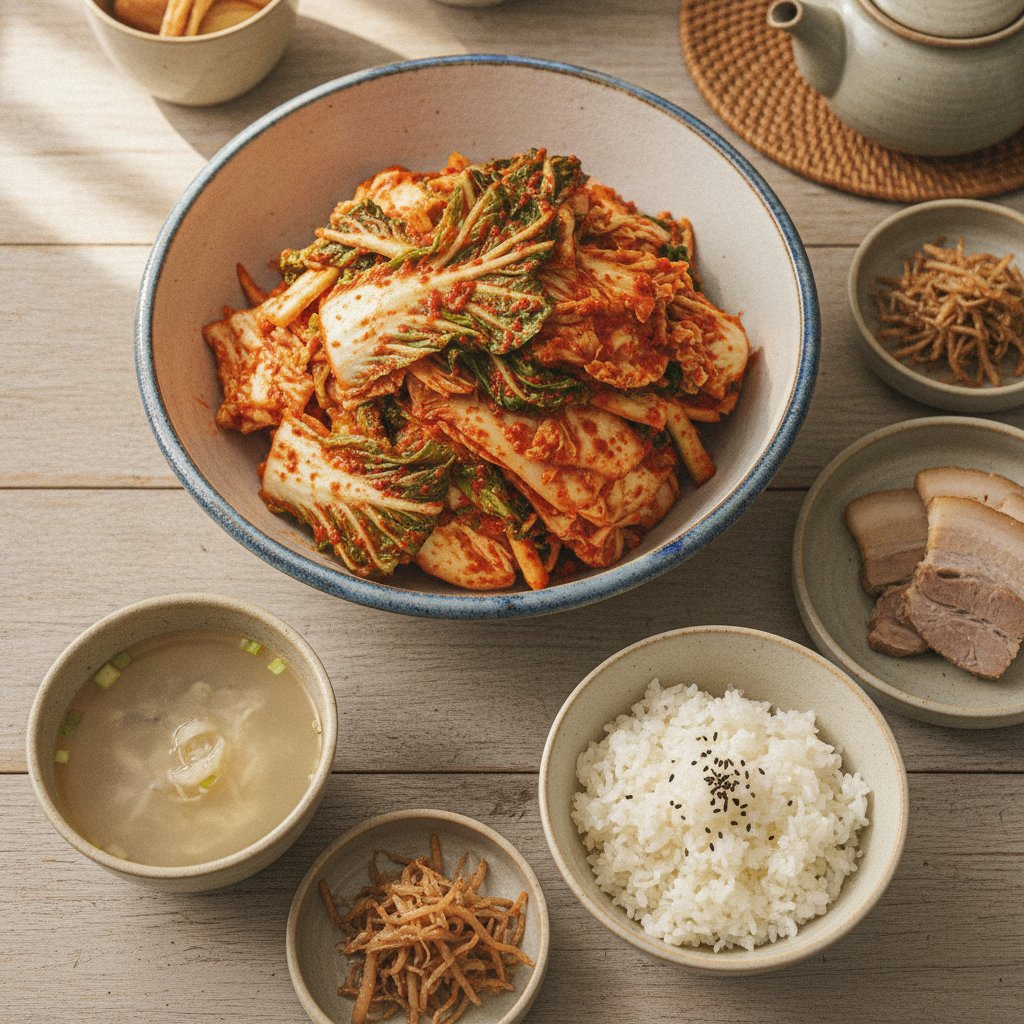
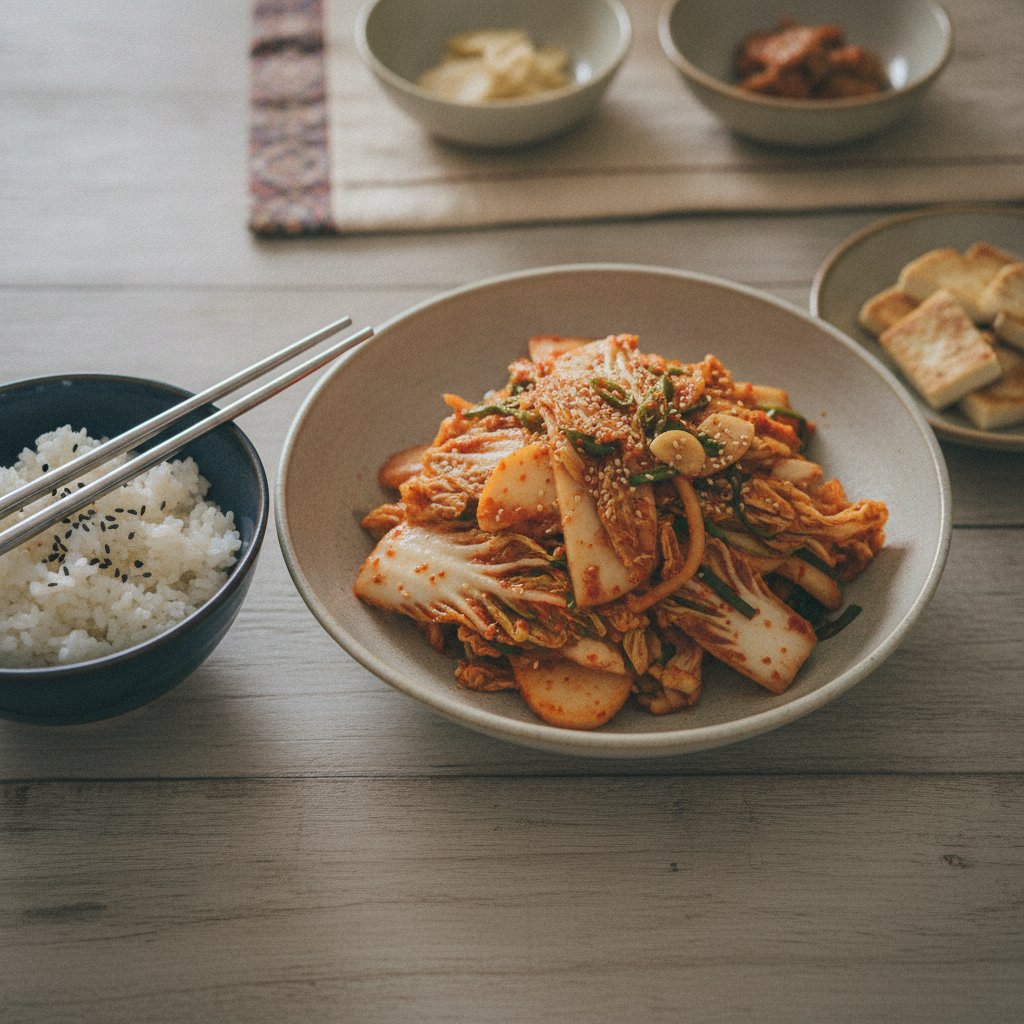
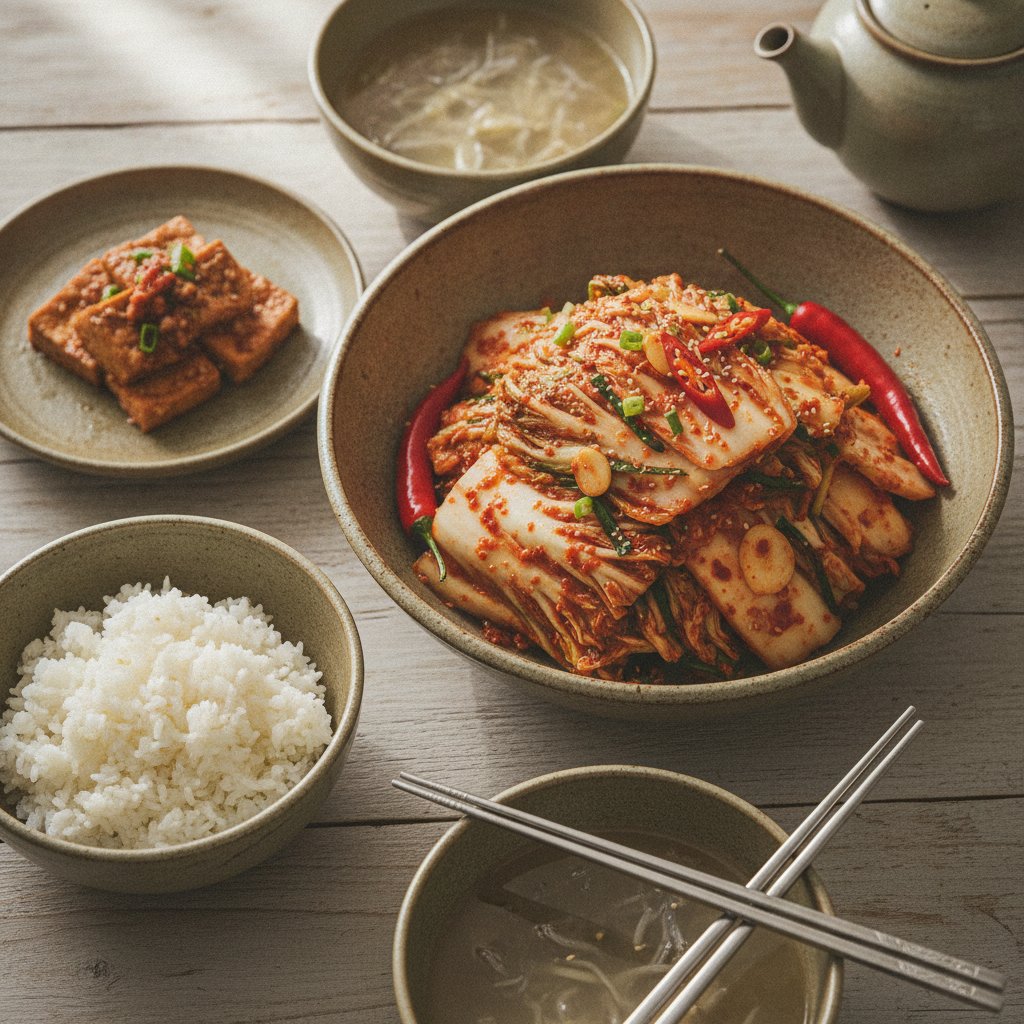
On humid summer afternoons in Seoul, when aged, sour kimchi feels too heavy for the table, my grandmother would pull out a fresh head of napa cabbage. Within thirty minutes, without waiting days or weeks for fermentation, she would hand me a crisp leaf coated in a glistening, crimson pepper paste. It was sweet, fiercely garlicky, and vibrant. In Korea, we call this geotjeori (fresh napa cabbage kimchi), and it is one of the most comforting side dishes in our everyday home cooking.
Unlike traditional baechu-kimchi (fermented napa cabbage kimchi), which requires hours of salting, paste-making, and long fermentation in the refrigerator, geotjeori is meant to be enjoyed immediately. It retains the natural, sweet crunch of fresh cabbage leaves while delivering all the bold, savory warmth of classic Korean spices. In Seoul noodle houses, particularly those serving hot bowls of kalguksu (knife-cut noodle soup), the quality of a restaurant is often judged entirely by its geotjeori. If the fresh kimchi is exceptional, the shop will have a line around the block.
If you have been intimidated by the commitment of making traditional fermented kimchi at home, this recipe is your ideal starting point. You do not need special equipment, fermented clay pots, or weeks of patience. With basic ingredients available at your local market and a quick trip to an Asian grocery store or online shop, you can make a restaurant-quality bowl of fresh kimchi tonight.
Why This Works
- A short salt cure: Instead of soaking the cabbage for hours to break down the structure, a quick 20-minute salt massage draws out just enough surface moisture so the seasoning sticks without losing the satisfying raw leaf crunch.
- Grated fresh fruit: Blending a small amount of sweet Asian pear or red apple directly into the pepper paste provides a delicate natural sweetness that softens the bite of raw garlic and raw chili.
- Bloomed gochugaru paste: Letting the chili flakes sit with the liquid aromatics for ten minutes before tossing hydrates the pepper flakes, producing a brilliant red sheen that clings perfectly to every fold of cabbage.
Ingredients
- 1 kg (about 2.2 lbs) Napa cabbage (baechu), leaves separated and washed
- 60 g (about 1/4 cup) coarse Korean sea salt (top-sofeom) or non-iodized kosher salt
- 45 g (about 1/2 cup) gochugaru (Korean coarse red pepper flakes)
- 45 ml (3 tbsp) Korean fish sauce (myeolchi-aekjeot or sandlance sauce)
- 15 g (about 1 tbsp) saeujeot (salted fermented shrimp), finely minced (or 1 extra tbsp fish sauce)
- 30 g (about 2 tbsp) fresh garlic, finely minced (about 6 to 7 large cloves)
- 5 g (about 1 tsp) fresh ginger, finely grated
- 60 g (about 1/4 cup) Asian pear or sweet red apple (such as Fuji), grated into a smooth pulp
- 15 g (1 tbsp) white sugar or Korean rice syrup (ssal-joocheong)
- 3 green onions (scallions), washed and sliced diagonally into 2-inch pieces
- 15 ml (1 tbsp) toasted sesame oil (optional, added only when serving immediately)
- 1 tbsp toasted sesame seeds
Substitutions
If you cannot easily access a Korean market, simple swaps keep this recipe approachable without losing its core spirit:
- Gochugaru: There is no exact substitute for Korean chili flakes because they offer warmth and sweet color without scorching heat. However, a 3:1 mixture of mild sweet paprika and silk chili flakes or crushed red pepper flakes (slightly ground down) can work in a pinch. Avoid chili powder blends containing cumin or oregano.
- Saeujeot (Salted Shrimp): Saeujeot adds a clean, sharp umami depth. If unavailable, replace it with an equal amount of additional Korean fish sauce or a high-quality Southeast Asian fish sauce (like Three Crabs or Red Boat).
- Asian Pear: A ripe Fuji apple, Gala apple, or Bosc pear delivers the exact fruity sweetness needed to balance the raw garlic.
- Vegan Option: Swap the fish sauce and salted shrimp for 45 ml (3 tbsp) of Yondu vegetable seasoning sauce or regular Korean soup soy sauce (guk-ganjang), combined with 1/2 teaspoon of mushroom powder for extra depth.
🛒 Quick Fresh Napa Kimchi
As an Amazon Associate we earn from qualifying purchases.
Shop Ingredients & Tools →How to Make It
- Prep and tear the cabbage: Cut the head of napa cabbage in half lengthwise. Instead of chopping with a knife into uniform squares, trim the thick root end and gently tear the leaves diagonally into bite-sized strips, about 2 inches wide. Why: Tearing along the natural grain of the leaf leaves rough edges that catch and hold the spicy seasoning paste much better than clean knife cuts.
- Perform the quick salt cure: Place the torn cabbage in a large mixing bowl. Sprinkle the 60 g of coarse sea salt evenly over the leaves, tossing gently with your hands to distribute. Let it sit at room temperature for 20 to 25 minutes, tossing once halfway through. Why: Geotjeori requires only a partial wilting. You want the thick white stems to become slightly pliable while remaining crisp enough to snap when bent.
- Rinse and drain thoroughly: Rinse the salted cabbage in cold tap water two to three times to wash away excess surface salt. Drain in a colander and gently press down on the leaves with your hands to squeeze out extra water. Let it sit in the colander for 10 minutes. Why: Trapped excess water will dilute your kimchi paste, leaving you with a soggy, bland geotjeori. Dry leaves ensure a punchy, vibrant coat.
- Mix the bloomed chili paste: While the cabbage drains, combine the gochugaru, fish sauce, minced saeujeot, garlic, ginger, grated pear pulp, and sugar in a medium bowl. Stir well and let the mixture sit for 5 to 10 minutes. Why: Allowing the dried gochugaru to absorb the liquid ingredients turns gritty chili powder into a smooth, glossy red paste that adheres effortlessly to the leaves.
- Dress and hand-toss: Transfer the drained cabbage to a clean, large bowl. Add the sliced green onions and pour the spicy paste over the top. Put on kitchen gloves and use your hands to gently fold and massage the paste into every leaf until evenly coated. Why: Using your hands ensures the thick paste works its way into every crevice without crushing the delicate leaf edges.
- Garnish and serve: Drizzle with toasted sesame oil and sprinkle with toasted sesame seeds just before transferring to a serving dish. Why: Unlike long-fermented kimchi, fresh geotjeori benefits immensely from the nuttiness of fresh sesame oil, which coats the palate and rounds out the spicy garlic heat.
Tips from a Korean Kitchen
In Korean homes, making fresh napa kimchi geotjeori is intuitive, but a few key habits elevate it from ordinary salad to incredible side dish:
- Use fresh, firm garlic: Pre-minced jarred garlic from the grocery store often carries an acidic, metallic tang that ruins raw dishes. Take thirty seconds to grate or mince whole fresh garlic cloves for a clean, sweet aroma.
- Keep the thick white stems: Beginners often discard the thick white bases of napa cabbage leaves, preferring the leafy green tips. In geotjeori, those white stems are the best part; they retain water, sweet sugar, and unmatched crunch.
- Hold the sesame oil for storage: Only add toasted sesame oil to the batch you plan to eat immediately at the dinner table. Sesame oil oxidizes over time in the refrigerator and can develop a stale aroma if stored for more than two days.
- Pair with rich dishes: Geotjeori pairs best with simple, protein-rich or starchy meals. Serve it alongside hot chicken soup (samgyetang), boiled pork belly (bossam), or simple grilled steak and steamed rice.
Storage
Geotjeori is designed for immediate gratification. Serve it as soon as it is mixed for maximum crunch and lively flavor. Store any leftover kimchi in an airtight glass container in the refrigerator for up to 5 to 7 days.
As the days pass, the cabbage will release juice and begin to ferment naturally, losing its initial crisp salad quality and transforming into standard mild kimchi. Do not freeze geotjeori; freezing destroys the cellular structure of fresh cabbage, leaving it mushy and watery upon thawing. Enjoy it cold straight from the fridge—no reheating required!
🛒 Quick Fresh Napa Kimchi
As an Amazon Associate we earn from qualifying purchases.
Shop Ingredients & Tools →FAQ
Can I make fresh napa kimchi geotjeori vegan?
Yes, absolutely. Replace the fish sauce and fermented salted shrimp with 3 tablespoons of Korean soup soy sauce (guk-ganjang) or Yondu vegetable umami seasoning sauce. Adding a pinch of dried kelp powder or mushroom powder to the paste restores the deep savory umami normally provided by seafood products.
Why is my geotjeori watery at the bottom of the bowl?
Wateriness happens if the cabbage was not drained sufficiently after rinsing, or if it sat in the salt cure too long before rinsing. To prevent diluting the paste, press the cabbage gently in your colander and let it drain for a full 10 minutes before dressing. If making ahead, store the dressed cabbage in a sealed container and drain off excess juices right before serving.
How does geotjeori differ from regular napa cabbage kimchi?
Traditional baechu-kimchi is heavily salted for several hours, packed tightly into jars with a rice flour porridge base, and left to ferment over days or months to develop lactic acid sourness. Geotjeori skips the rice porridge and long salting process entirely, relying on fresh fruit sweetness, light seasoning, and crisp texture. It is eaten unfermented like a fresh spicy cabbage salad.
More Korean Recipes
- Creamy Korean Corn Cheese (콘치즈)
- Gyeran Jjim (Korean Steamed Eggs): Always Fluffy
- Jangjorim Recipe: Authentic Korean Soy-Braised Beef and Eggs
- Eomuk Bokkeum (Stir-Fried Fish Cakes): Your New Favorite Lunchbox Side Dish
🛒 Quick Fresh Napa Kimchi
As an Amazon Associate we earn from qualifying purchases.
Shop Ingredients & Tools →