Easy Stir Fried Kimchi (Kimchi Bokkeum) Side Dish
This post contains affiliate links. As an Amazon Associate, we earn from qualifying purchases at no extra cost to you.
Whenever my mother noticed a jar of napa cabbage kimchi sitting in the back of our fridge for far too long—turned intensely sour, bubbly, and sharp enough to make your eyes water—she never considered throwing it away. Instead, she would pull out her favorite cast-iron skillet, heat a spoonful of pork fat or perilla oil, and toss the chopped cabbage into the pan. Within minutes, the pungent bite of over-fermented cabbage gave way to a warm, savory, and caramel-rich aroma that filled our apartment in Seoul.
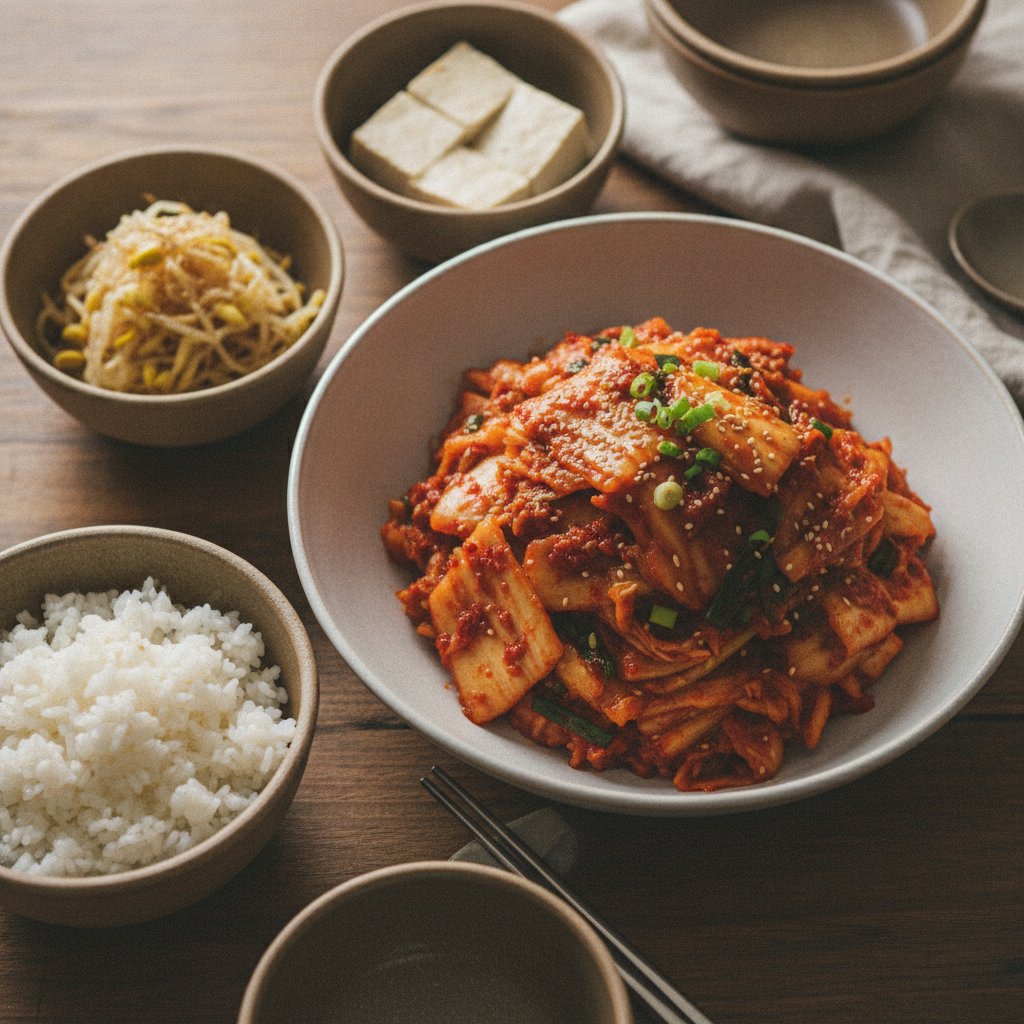
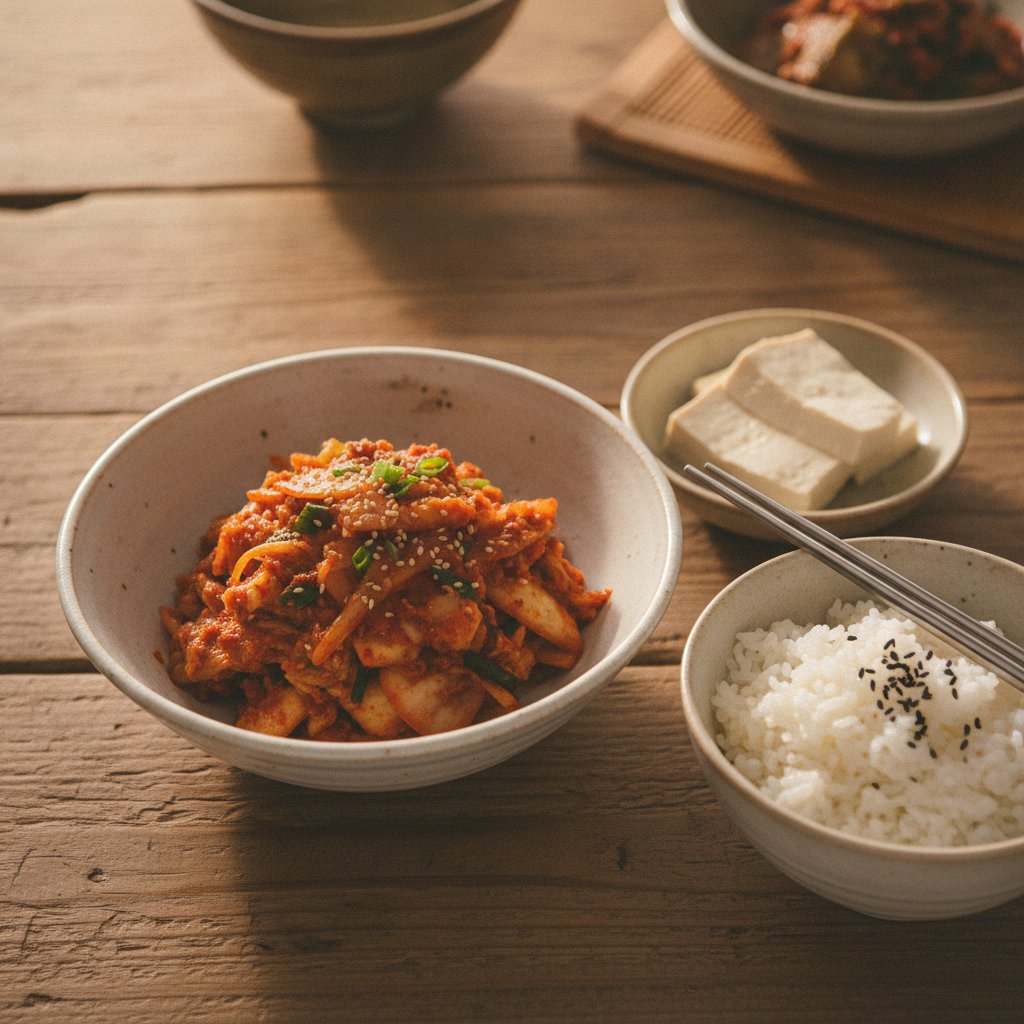
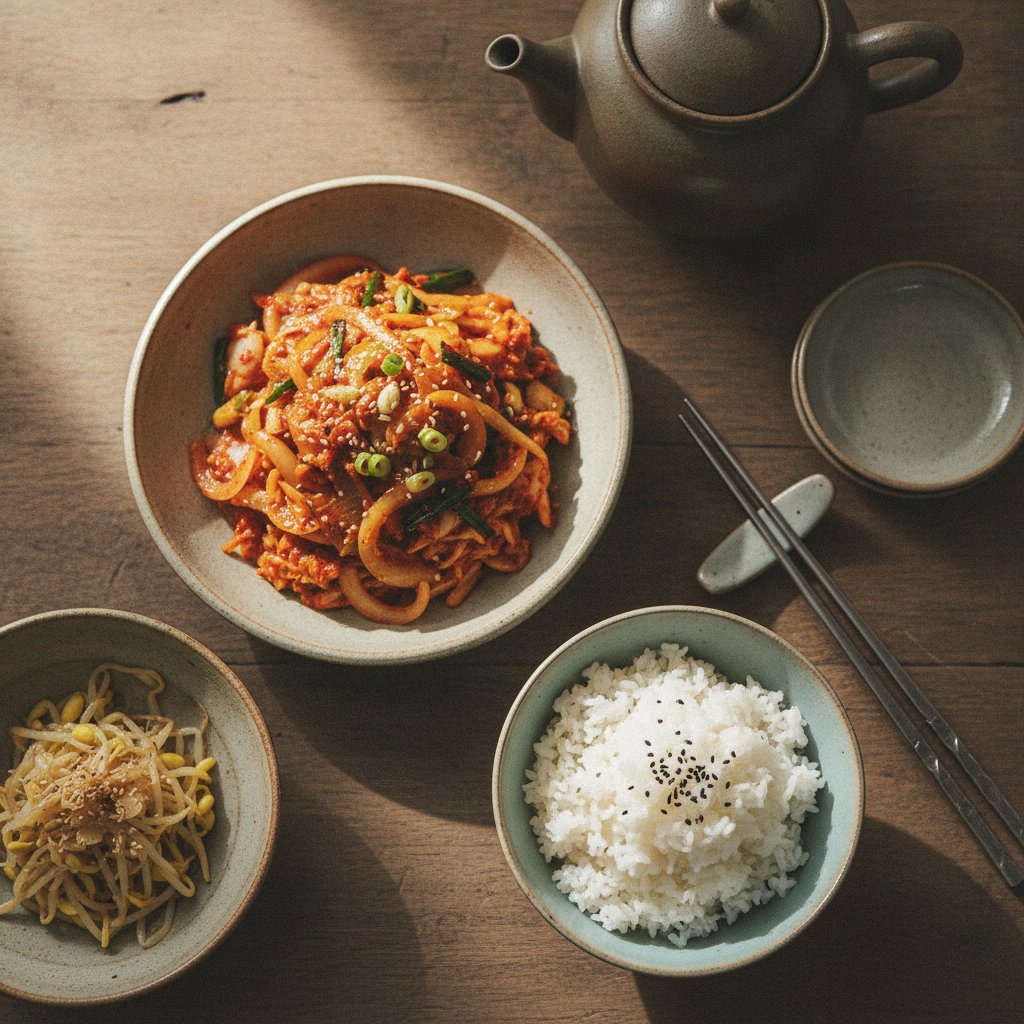
That dish is kimchi bokkeum (stir-fried kimchi), one of the most comforting and foundational banchan (side dishes) in Korean home cooking. While fresh kimchi is loved for its cool, effervescent crunch, cooked kimchi opens up an entirely different flavor profile. Stir-frying softens the thick leaf ribs, mellows out the sharp lactic acid, and deepens the natural sugars in the cabbage. In Korean homes, we eat this simple warm banchan alongside a steaming bowl of freshly steamed white rice, fold it into quick weekday lunches, or serve it next to plain boiled tofu as a classic late-night drinking snack known as dubu kimchi (tofu with stir-fried kimchi).
If you have ever tried making a stir fried kimchi side dish at home and ended up with a soggy, overly acidic pan of cabbage, this recipe will change that. By using the right balance of heat, oil, and a touch of sweet balancing agents, you will produce tender, perfectly glazed kimchi with a rich depth of flavor that rivals any neighborhood bunsik-jip (casual Korean diner) in Seoul.
Why This Works
- Fat tames harsh acid: Searing the aged kimchi in pork fat, butter, or neutral oil creates an emulsion with the kimchi liquid, coating the sharp lactic acid and rounding out the bite.
- Controlled reduction yields concentration: Squeezing the excess liquid first allows the cabbage leaves to sear and caramelize rather than steam, while adding the juice back later builds a glossy sauce.
- Off-heat aromatic finishing: Adding toasted perilla or sesame oil at the very end protects fragile aromatic compounds that break down and turn bitter under high frying heat.
Ingredients
- 500 g (about 1.1 lbs or 3 cups) sour, well-fermented napa cabbage kimchi, chopped into 1-inch (2.5 cm) pieces
- 60 ml (1/4 cup) kimchi juice, strained directly from the kimchi container
- 15 ml (1 tbsp) neutral cooking oil (such as canola or avocado) or pork lard
- 150 g (about 5 oz) pork belly or canned luncheon meat like Spam, cut into bite-sized strips (optional)
- 12 g (1 tbsp) granulated sugar (adjust based on how sour your kimchi is)
- 10 g (1 tbsp) gochugaru (Korean coarse red pepper flakes)
- 15 ml (1 tbsp) soy sauce
- 15 g (1 tbsp) garlic, finely minced
- 2 green onions, chopped into thin rings
- 15 ml (1 tbsp) deul-gireum (toasted perilla oil) or cham-gireum (toasted sesame oil)
- 5 g (1 tsp) toasted sesame seeds for finishing
Substitutions
If you cannot find specific items at your local supermarket, here is how to substitute without losing authentic taste:
- Perilla oil: Toasted perilla oil offers an earthy, nutty herbal note that is deeply traditional in rural Korean cooking. If unavailable, use high-quality toasted sesame oil (such as Kadoya or Ottogi brands).
- Pork belly or Spam: Uncured bacon or thick-cut pork shoulder works great. For a vegetarian stir fried kimchi side dish, skip the meat entirely and add 100 g (3.5 oz) of sliced shiitake mushrooms or firm tofu cubes.
- Gochugaru: Korean chili flakes provide color and gentle heat without overpowering toxicity. Do not substitute with Western chili powder blends (which contain cumin and oregano). If you cannot find gochugaru, leave it out and rely on the spice already in your kimchi.
- Fresh kimchi hack: If your store-bought kimchi is too fresh and crunchy, mix 5 ml (1 tsp) of white distilled vinegar or rice vinegar directly into your chopped cabbage to simulate aged sourness.
🛒 Easy Stir Fried Kimchi Side Dish
As an Amazon Associate we earn from qualifying purchases.
Shop Ingredients & Tools →How to Make It
- Prep and separate the liquid: Chop your fermented kimchi into bite-sized pieces. Place a mesh strainer over a small bowl and press the kimchi lightly to yield roughly 60 ml (1/4 cup) of kimchi juice. Set the liquid aside. Why: Separating moisture keeps the pan hot enough to brown the cabbage leaves rather than boil them in their own liquid.
- Render the protein (if using): Place your skillet or wok over medium heat. Add your sliced pork belly or diced Spam. Cook for 4 to 5 minutes until the fat renders out and the edges turn crisp and golden brown. If cooking vegetarian, simply warm your neutral vegetable oil in the pan over medium heat. Why: Pork fat is the ultimate culinary pairing for aged kimchi; it coats the tongue and softens the harshness of fermented chili paste.
- Caramelize the kimchi and garlic: Add the chopped kimchi, minced garlic, gochugaru, and sugar into the hot pan with the rendered fat or oil. Turn the heat to medium-high. Stir-fry constantly for 6 to 8 minutes until the white, thick parts of the kimchi cabbage leaves look translucent and slightly limp around the edges. Why: Stir-frying breaks down tough cellulose fibers in old cabbage while allowing the sugar to caramelize against the hot metal pan.
- Deglaze and reduce: Pour in the reserved kimchi juice and 15 ml (1 tbsp) of soy sauce, drizzling the soy sauce around the glowing outer rim of the pan so it sizzles instantly. Lower the heat to medium-low, cover with a lid, and let it braise gently for 3 to 4 minutes until the liquid reduces into a thick, shiny glaze. Why: Searing soy sauce against the hot pan wall adds a smoky note (known as 불맛 or fire taste), while a brief covered simmer softens the thick core of the cabbage.
- Finish with aromatics off heat: Remove the skillet completely from the heat source. Scatter the chopped green onions over the warm kimchi, drizzle with toasted perilla or sesame oil, and toss gently to combine. Sprinkle toasted sesame seeds over the top before serving. Why: Delicate unrefined nut and seed oils lose their top notes when exposed to high stir-fry temperatures, so adding them off the flame retains maximum aroma.
Tips from a Korean Kitchen
In my family, making kimchi bokkeum is practically second nature, but getting the balance right requires paying attention to small details that recipes often gloss over.
First, always check the age of your kimchi. If your kimchi was made just last week and still tastes fresh, cold, and radish-like, wait. Ideal stir-frying kimchi should be at least three to four weeks old—what we call well-ripened or heading toward mukeunji (aged kimchi). The acidity is key because heat transforms sharp lactic acid into a mouth-watering umami punch.
Second, treat sugar as a tuning knob rather than a sweetener. The goal of adding sugar here is not to make sweet cabbage, but to neutralize the harsh acidity of aged kimchi. If your kimchi is exceptionally sour (the kind that makes you pucker when eaten raw), you may need up to 1.5 tablespoons of sugar. If it is moderately sour, 1 teaspoon might be enough. Taste a piece of cabbage right after step 3 and adjust accordingly.
Third, do not be afraid of fat. Low-fat stir-fried kimchi often turns out dry, stringy, and aggressive on the palate. Whether you use lard, butter, bacon fat, or a generous pour of perilla oil, oil acts as a bridge that binds the water-soluble flavors of the fermented seasoning together.
🛒 Easy Stir Fried Kimchi Side Dish
As an Amazon Associate we earn from qualifying purchases.
Shop Ingredients & Tools →Storage
Stir-fried kimchi is one of the most stable banchan you can keep in your kitchen. Because kimchi is already fermented and then fully cooked, it keeps exceptionally well.
- Refrigeration: Allow the stir fried kimchi side dish to cool completely to room temperature. Transfer it to a clean glass container with an airtight lid. Store in the refrigerator for up to 2 weeks. In fact, many Koreans prefer eating it the next day after the flavors have had time to settle into one another.
- Freezing: You can freeze cooked kimchi in airtight freezer bags for up to 2 months. Thaw overnight in the fridge before reheating.
- Reheating: Reheat gently in a small skillet over low heat for 2-3 minutes, or warm in the microwave in 30-second bursts. If the cabbage looks dry after sitting in the fridge, splash in 1 tablespoon of water or broth while reheating to restore its glossy texture.
FAQ
Can I make this stir fried kimchi side dish if my kimchi is fresh?
Yes, though fresh kimchi lacks the deep lactic acidity required for traditional flavor. To compensate, chop your fresh kimchi and toss it with 1 teaspoon of white vinegar or rice vinegar 10 minutes before cooking. This instantly introduces the sharp acidic baseline that caramelizes during frying.
How do I make a vegetarian or vegan version?
To make this fully vegetarian, ensure your base kimchi is made without fish sauce or salted shrimp (many store-bought brands now label vegan kimchi clearly). Omit any meat and stir-fry the cabbage in neutral vegetable oil or perilla oil, adding sliced shiitake mushrooms during step 3 for extra savory depth.
Why did my stir fried kimchi end up watery and soft?
Watery cooked kimchi happens when too much kimchi juice is left in the skillet from the start, causing the cabbage to boil instead of fry. Always squeeze out excess juice prior to cooking, fry the cabbage leaves in warm fat first to achieve partial translucency, and only add the reserved juice back near the end of cooking to reduce it into a glaze.
🛒 Easy Stir Fried Kimchi Side Dish
As an Amazon Associate we earn from qualifying purchases.
Shop Ingredients & Tools →More Korean Recipes
- Creamy Korean Corn Cheese (콘치즈)
- Gyeran Jjim (Korean Steamed Eggs): Always Fluffy
- Jangjorim Recipe: Authentic Korean Soy-Braised Beef and Eggs
- Eomuk Bokkeum (Stir-Fried Fish Cakes): Your New Favorite Lunchbox Side Dish
🛒 Easy Stir Fried Kimchi Side Dish
As an Amazon Associate we earn from qualifying purchases.
Shop Ingredients & Tools →