Quick Korean Onion Kimchi Recipe (Yangpa Kimchi)
This post contains affiliate links. As an Amazon Associate, we earn from qualifying purchases at no extra cost to you.
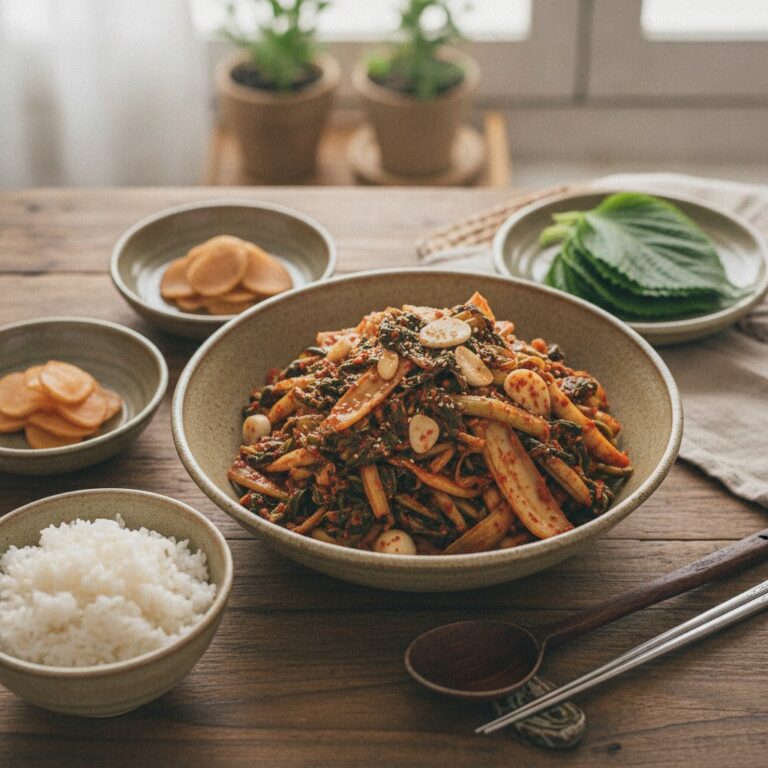
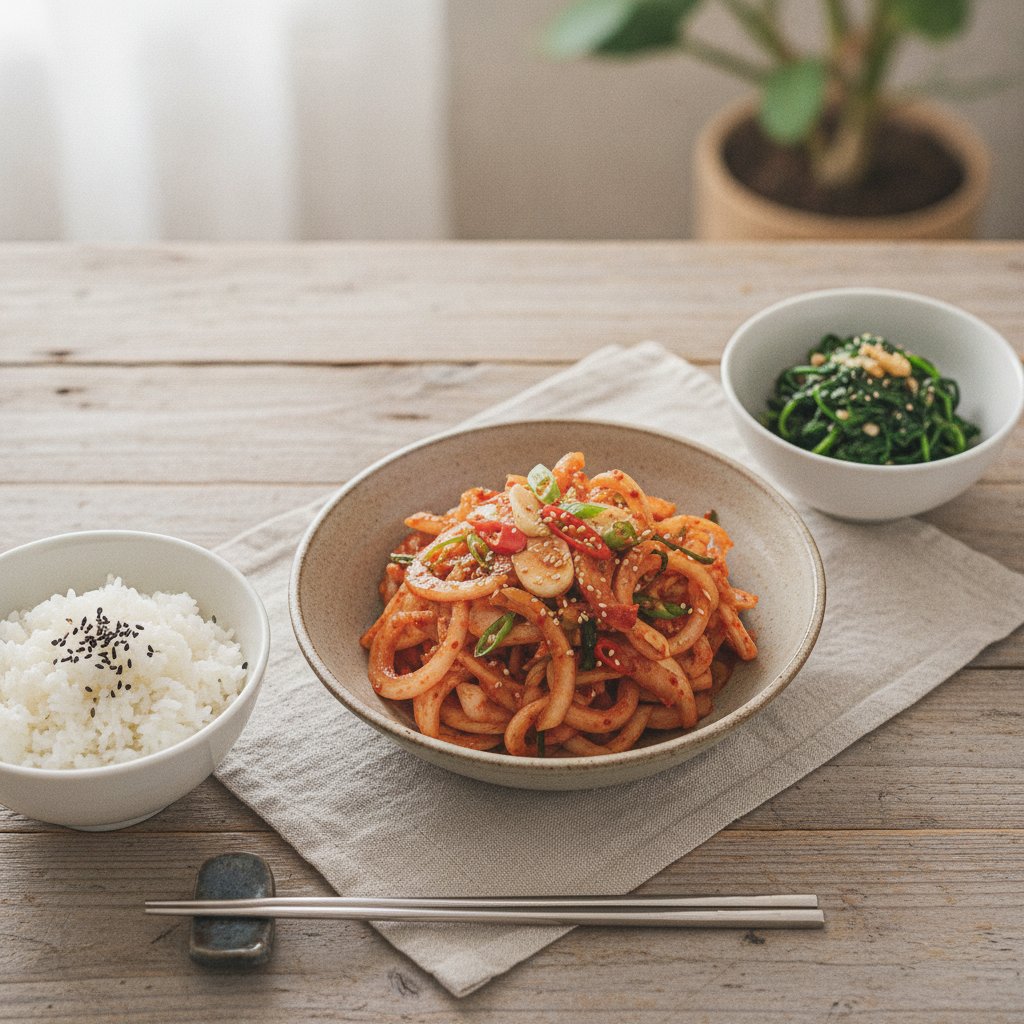
When fresh onions fill the neighborhood markets in Seoul every spring, my mother always buys them by the heavy mesh sack. While most of those sweet, crisp bulbs end up sliced into soups or pickled in soy sauce, the small and firm ones are set aside for yangpa kimchi (quick onion kimchi). Unlike baechu kimchi (napa cabbage kimchi) that demands hours of wilting, quartering, and weeks of cold cellar aging, this onion kimchi is built for instant gratification. It relies on the natural bite and sudden sweetness of raw onions tossed in a thick, savory chili paste. You can assemble it twenty minutes before dinner, and by the time your rice finishes steaming, you have a fiery, crunchy side dish that cuts through rich food like nothing else.
In Korean homes, we treat yangpa kimchi as a seasonal bridge dish—what we call geotjeori (fresh, unfermented kimchi). While long-fermented cabbages are deep, sour, and complex, fresh onion kimchi is loud, crisp, and punchy. It brings a sharp freshness to the table that makes heavy, fatty meals feel light. If you love the pungent kick of raw onions alongside grilled meats, this dish will quickly become a permanent fixture in your weekly routine.
Why This Works
- Salting in fish sauce draws out harsh sulfur: Soaking the cut onions directly in fish sauce rather than plain salt extracts their bitter water while simultaneously driving deep umami flavor directly into the onion layers.
- A quick starch paste locks flavor to smooth skin: Onions are naturally slick and shed thin liquid dressings. A quick 2-minute rice flour slurry thickens the red pepper paste so it clings tightly to every wedge instead of pooling at the bottom of your bowl.
- Grated fruit balances raw heat naturally: Using grated Asian pear or apple provides a clean, sweet counterweight to the raw onion’s sharp sulfur compounds, encouraging fast fermentation without leaving a heavy sugary residue.
Ingredients
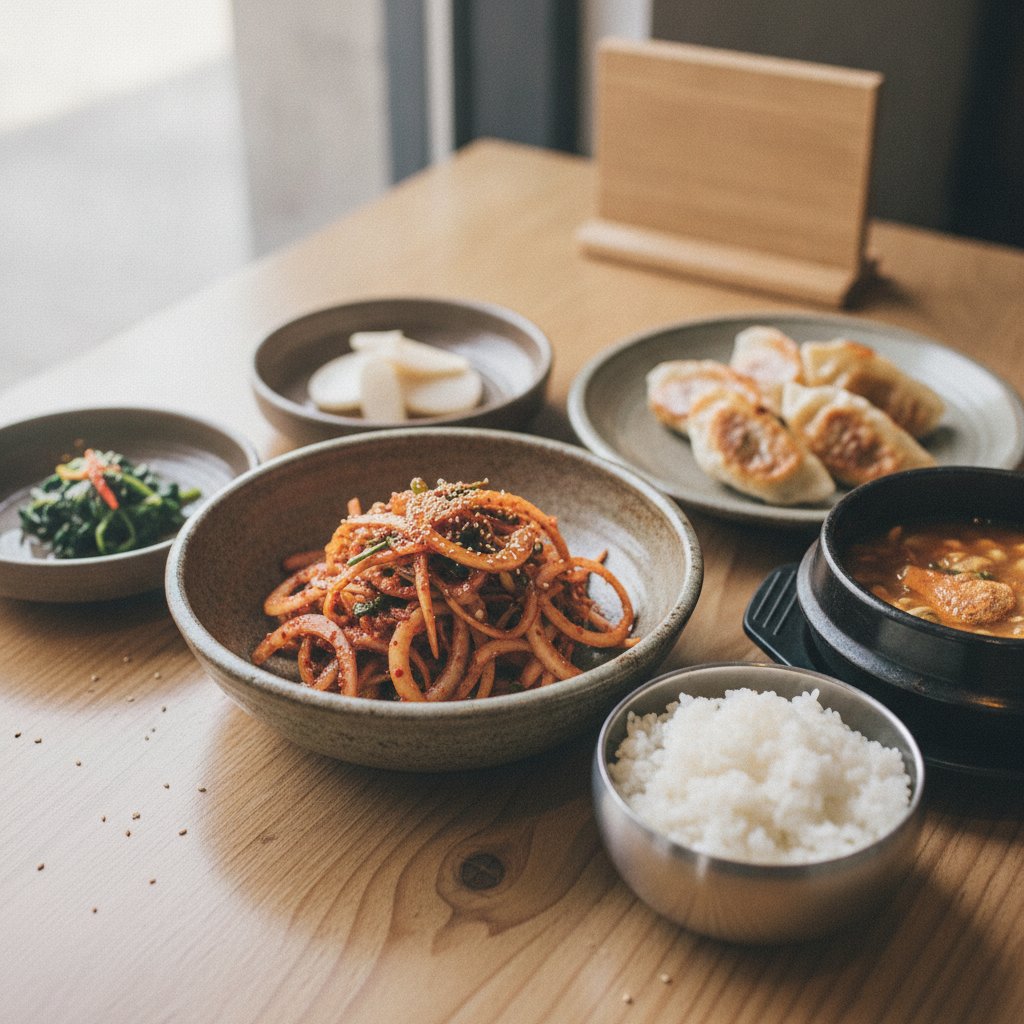
- 700 g (about 1.5 lbs / 3 medium) yellow, sweet, or white onions
- 60 ml (1/4 cup) Korean fish sauce (myeolchi aekjeot) or liquid anchovy sauce
- 35 g (about 1/2 cup) gochugaru (Korean coarse red pepper flakes)
- 15 g (1 tbsp) minced fresh garlic
- 5 g (1 tsp) finely grated fresh ginger
- 15 g (1 tbsp) white sugar or honey
- 60 g (about 1/4 cup) grated Asian pear or sweet red apple (such as Fuji)
- 30 g (about 3 whole stalks) scallions, cut into 5 cm (2-inch) lengths
- 10 g (1 tbsp) toasted white sesame seeds
- 120 ml (1/2 cup) cold water
- 10 g (1 tbsp) glutinous rice flour (sweet rice flour) or white rice flour
Substitutions
If you cannot source Korean fish sauce (myeolchi aekjeot or kkanari aekjeot), standard Southeast Asian fish sauces like Three Crabs or Red Boat work exceptionally well. For a completely vegan onion kimchi, swap the fish sauce for 45 ml (3 tbsp) of regular soy sauce combined with 15 ml (1 tbsp) of Yondu (Korean vegetable umami seasoning) or mushroom broth concentrate.
Gochugaru is uniquely mild, fruity, and coarsely ground. Western chili powder contains cumin and oregano, while cayenne pepper is far too spicy. If you cannot find gochugaru, substitute mild Mexican chili flakes or crushed Aleppo pepper flakes ground down slightly in a spice grinder. For the fruit, an ordinary Gala or Fuji apple works just as well as an Asian pear to deliver natural fructose.
🛒 Quick Korean Onion Kimchi Recipe
As an Amazon Associate we earn from qualifying purchases.
Shop Ingredients & Tools →How to Make It
- Slice the onions into sturdy wedges: Cut off the stem and root ends of the onions, peel off the papery outer skin, and cut each onion in half from top to bottom. Slice each half into 3 to 4 thick wedges, then cut those wedges in half horizontally to create bite-sized chunks. Why: Slicing onions into wide, thick chunks rather than thin ribbons keeps them structural and wildly crunchy. Thinly sliced onions break down too quickly in salt and turn soggy within hours.
- Macerate the onions in fish sauce: Place the onion chunks into a large non-reactive mixing bowl. Pour the 60 ml (1/4 cup) of fish sauce directly over the onions. Toss thoroughly with your hands (wearing food-safe kitchen gloves is helpful here) to ensure every surface is coated. Let them rest at room temperature for 15 to 20 minutes, tossing once halfway through. Why: The salt in the fish sauce pulls out excess moisture through osmosis, taking away the aggressive, stinging raw onion burn while seasoning the inner core of the vegetable.
- Cook the glutinous rice slurry (chapssal-pul): In a tiny saucepan, whisk together 120 ml (1/2 cup) of cold water and 10 g (1 tbsp) of glutinous rice flour until completely dissolved without lumps. Set the pan over medium-low heat and cook, stirring constantly with a spatula, until the mixture bubbles and thickens into a translucent, shiny paste, about 2 minutes. Remove from heat and allow to cool completely to room temperature. Why: The gelatinized starches act as a natural binder that helps coarse chili flakes adhere to the slick surface of the onion wedges, while providing food for beneficial lactobacillus bacteria if you decide to ferment it.
- Build the kimchi paste: In a medium bowl, combine the cooled rice porridge, 35 g gochugaru, minced garlic, grated ginger, sugar, and grated pear. Drain the liquid that has pooled at the bottom of the macerating onions directly into this bowl, leaving the onions behind. Stir the mixture into a thick, uniform crimson paste. Why: Mixing the chili flakes with liquid first allows the dry gochugaru to hydrate, swell, and bloom, unlocking a brilliant red color and smooth texture before it hits the onions.
- Fold everything together: Add the scallion pieces and sesame seeds to the bowl with the onions. Scrape the chili paste over the top. Using gloved hands or silicone tongs, gently toss and rub the paste into the onion wedges until every piece is evenly coated in the rich red marinade. Why: Gentle rubbing works the paste into the crevices of the onion layers without bruising the scallions or causing the onions to release excess cellular water prematurely.
- Pack and rest: Transfer the onion kimchi into a clean glass jar or airtight glass storage container, pressing down firmly to remove air pockets. You can serve it immediately as a fresh salad, or leave it on the kitchen counter at room temperature for 12 to 24 hours to develop a subtle tang before moving it to the refrigerator. Why: Packing the kimchi tightly limits oxygen contact, which prevents oxidation and encourages clean, anaerobic fermentation.
Tips from a Korean Kitchen
Select medium-sized yellow onions that feel dense and heavy for their size with tight skins. Soft or sprouted onions lack cellular integrity and will turn soft after salting. If you only have large, overly sharp onions on hand, soak the cut wedges in a bowl of ice-cold water for 10 minutes before salting them in fish sauce to tame their natural heat.
When combining the paste with the onions, do not separate every single layer by force. Leaving small clusters of 2 or 3 layers attached keeps the bite crunchy and juicy, letting the paste cover the outside while the inside retains a sweet, clean snappy texture.
Always use dedicated glass containers for kimchi. Onions and garlic carry volatile aromatic compounds that permanently permeate plastic food containers. A glass jar with a silicone seal keeps your refrigerator smelling clean and preserves the true fresh flavor of the kimchi.
🛒 Quick Korean Onion Kimchi Recipe
As an Amazon Associate we earn from qualifying purchases.
Shop Ingredients & Tools →Storage
Refrigeration and Shelf Life
Keep your onion kimchi stored in the cold section of your refrigerator (ideally under 4°C / 39°F). While cabbages can ferment for months, yangpa kimchi is at its prime between day 2 and day 14. During this window, the initial raw sulfur bite softens into a sweet, tangy, and deeply savory crispness. It remains safe to eat for up to 4 weeks, though the onions will gradually soften and release liquid over time.
Freezing
Do not freeze onion kimchi. Freezing ruptures the plant cell walls of raw onions, causing them to collapse into a watery, limp mess upon thawing. Always enjoy this dish fresh from the refrigerator.
FAQ
Can I make onion kimchi without fish sauce?
Yes, you can easily make a vegan version. Replace the fish sauce with an equal amount of good quality soy sauce mixed with a pinch of kelp powder, or use Korean soup soy sauce (guk-ganjang). You can also add a teaspoon of instant powdered kelp or mushroom broth powder to restore the rich umami taste that fish sauce normally provides.
How long does onion kimchi take to ferment?
Onion kimchi ferments much faster than cabbage kimchi because onions contain high levels of natural sugar that feed the lactic acid bacteria. Leaving the packed jar on your kitchen counter for just 12 to 18 hours at normal room temperature is usually enough to start slight bubbling and give it a mild sour tang. If you prefer a crisp, fresh salad taste, skip the room-temperature fermentation step and put the jar straight into the fridge.
What dishes pair best with yangpa kimchi?
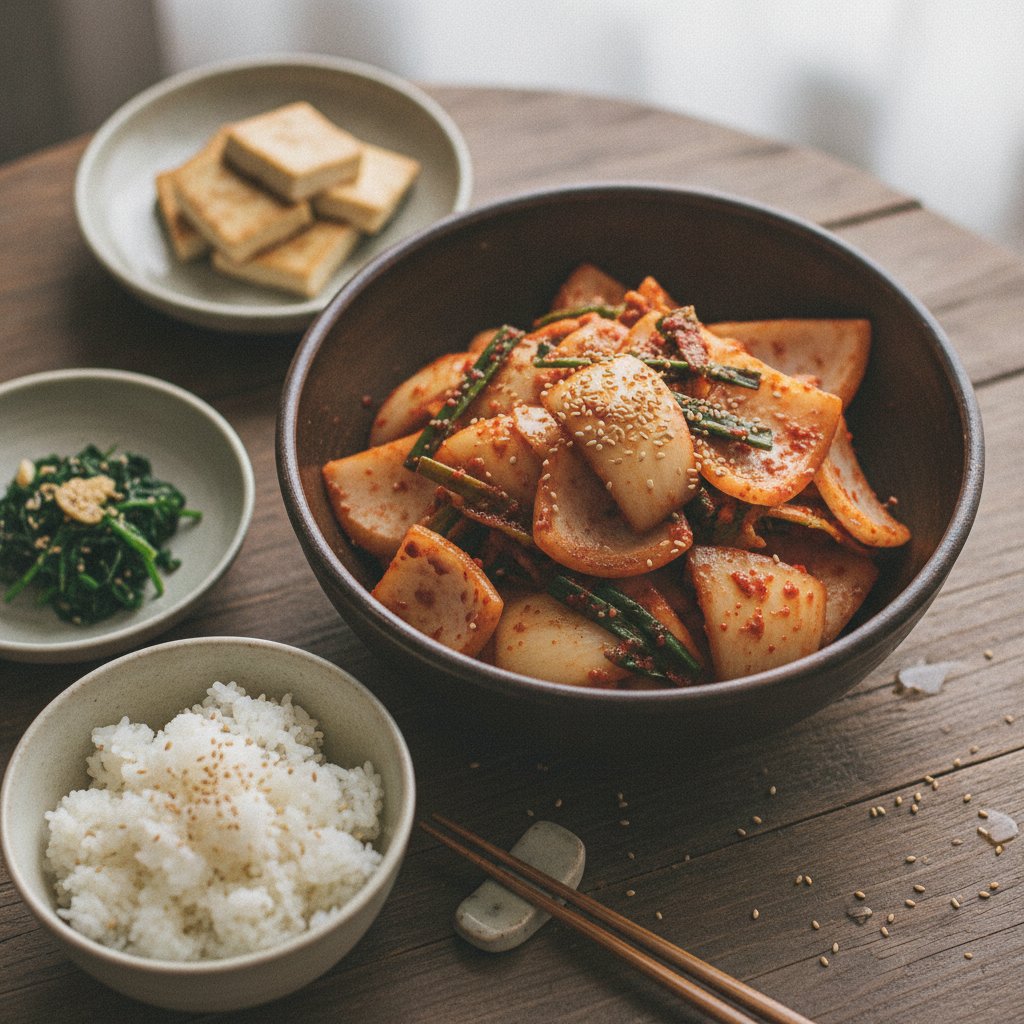
In Korea, onion kimchi is the traditional companion for rich, unseasoned meats. It is magnificent alongside samgyeopsal (grilled pork belly), suyuk (boiled pork slice), or grilled steak. The sharp acid and spice cut through the fat perfectly. It is also wonderful tossed over simple bowls of hot white rice with a drizzle of toasted sesame oil, or served as a side dish to clear beef bone soups like seolleongtang.
🛒 Quick Korean Onion Kimchi Recipe
As an Amazon Associate we earn from qualifying purchases.
Shop Ingredients & Tools →More Korean Recipes
- Crunchy & Refreshing Kkakdugi Recipe (Cubed Radish Kimchi)
- Kimchi Storage (김치 보관법) & Sour Kimchi Tips
- Quick Oi Muchim (Cucumber Kimchi) in 15 Minutes
- How to Make Kimchi (김치) at Home: A Small-Batch Beginner’s Guide
🛒 Quick Korean Onion Kimchi Recipe
As an Amazon Associate we earn from qualifying purchases.
Shop Ingredients & Tools →