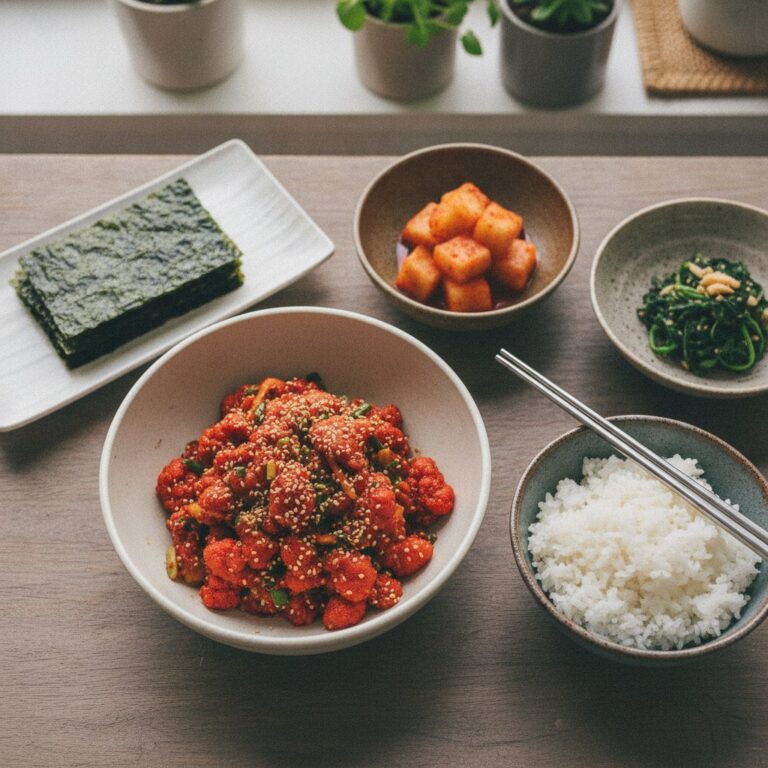
Crispy Pajeon (Korean Scallion Pancake) with the Perfect Dipping Sauce
This post contains affiliate links. As an Amazon Associate, we earn from qualifying purchases at no extra cost to you.
At a glance
- In shortLearn how to make crispy Korean scallion pancakes at home with an easy dipping sauce.
- Best forHome cooks looking to make crispy Korean scallion pancakes
- DifficultyEasy
- HeatMild
- Key pointsUse very cold water to limit gluten development for a crisper texture. · Do not overmix the batter to avoid making the pancake tough and chewy. · Fry in a generous amount of hot oil to achieve a deeply crispy crust.
- Heads-upThoroughly dry optional seafood with paper towels to prevent soggy pancakes.
Annyeonghaseyo, dear readers of Korean Recipe Lab! It’s your home cook, Minji, here from a slightly rainy Seoul today. And you know what that means in Korea, right? When the clouds gather and the first drops start to fall, our minds immediately turn to one thing: a warm, savory, and incredibly crispy Pajeon (파전), or Korean Scallion Pancake, paired perfectly with a refreshing glass of makgeolli (막걸리), our traditional rice wine. There’s something so comforting about the sizzle of the batter hitting a hot pan on a rainy day – it’s a sound that just feels like home.
Today, I’m sharing my family’s cherished recipe for Pajeon, focusing on how to achieve that elusive, perfectly crispy texture that makes it so irresistible. While you might have tried Pajeon at Korean restaurants, often laden with lots of seafood (which is delicious, don’t get me wrong!), the everyday Pajeon we make at home is simpler, often starring just the beautiful green scallions. This version is fantastic on its own as a hearty snack, a light lunch, or even as a wonderful side dish for a bigger Korean meal. And trust me, the dipping sauce is just as important as the pancake itself – it’s the bright, tangy counterpoint that elevates every bite!
Many of you live outside Korea and shop mostly at regular Western grocery stores, so I’ve tailored this recipe to be super accessible. You won’t need any obscure ingredients, and I’ll even offer some easy substitutions for the few items you might not have on hand. My goal is to help you recreate the authentic taste and texture of a truly great homemade Pajeon right in your own kitchen, no matter where you are in the world. Let’s get cooking!
Ingredients
For the Pajeon Batter:
- 150 g (1 ¼ cups) All-Purpose Flour
- 50 g (⅓ cup) Rice Flour (or glutinous rice flour for extra chewiness)
- ½ teaspoon Baking Powder
- ½ teaspoon Fine Sea Salt
- 250 ml (1 cup) Very Cold Water (ice water if possible!)
For the Pajeon:
- 2-3 large bunches (about 400-500 g or 1 lb) Scallions (green onions)
- 1 medium Yellow Onion, thinly sliced (about 100g)
- Optional: 150-200 g (½ lb) Shrimp, squid, or other seafood, cut into bite-sized pieces
- Optional: 1-2 small Red Chili Peppers (like serrano or red jalapeño), thinly sliced, for garnish and a touch of heat
- Vegetable Oil, for frying (about ¼ cup per pancake, don’t skimp!)
For the Dipping Sauce:
- 3 tablespoons Soy Sauce
- 1 tablespoon Rice Vinegar
- 1 tablespoon Water
- 1 teaspoon Sugar (or honey/maple syrup)
- 1 teaspoon Toasted Sesame Oil
- 1 teaspoon Gochugaru (고춧가루, Korean chili flakes), optional for a mild kick
- 1 clove Garlic, minced
- 1 tablespoon finely chopped Scallion (green part)
- ½ teaspoon Toasted Sesame Seeds
Substitutions
- Rice Flour: If you can’t find rice flour, you can use an additional 50 g (⅓ cup) of all-purpose flour, but your pajeon might be slightly less crispy. A mix of 40g (¼ cup) all-purpose flour and 10g (1 tablespoon) cornstarch or potato starch can also mimic the crispiness.
- Gochugaru: Regular red pepper flakes (the kind for pizza) can be used, but start with less as they can be spicier and have a slightly different flavor profile than Korean gochugaru.
- Seafood: For a vegetarian Pajeon, simply omit the seafood. You can add sliced mushrooms (oyster or shiitake work well) or thinly sliced carrots for extra flavor and color. For a non-seafood meat option, thinly sliced beef or pork belly can be fantastic.
- Soy Sauce: Any good quality regular soy sauce will work perfectly.
- Rice Vinegar: White vinegar or apple cider vinegar can be used, but rice vinegar has a milder, slightly sweeter tang.

How to Make It
-
Prepare the Dipping Sauce: In a small bowl, combine all the dipping sauce ingredients (soy sauce, rice vinegar, water, sugar, sesame oil, gochugaru, minced garlic, chopped scallion, and sesame seeds). Stir well until the sugar dissolves. Set aside. This can be made ahead of time and stored in the fridge.
-
Prepare the Scallions and Onion: Wash the scallions thoroughly. Trim off the root ends and any very dark green, tough tips. Cut them into lengths roughly the same as your frying pan’s radius or slightly shorter (usually about 10-12 cm or 4-5 inches). Separate the white and green parts if you wish, but it’s not strictly necessary. Thinly slice the yellow onion.
-
Prepare Optional Seafood (if using): If you’re adding shrimp or squid, make sure they are thoroughly thawed (if frozen) and patted very dry with paper towels. This is crucial because excess moisture can make your pajeon soggy and prevent crisping. Cut larger pieces into bite-sized chunks. Lightly season them with a pinch of salt and black pepper.
-
Make the Batter: In a large mixing bowl, whisk together the all-purpose flour, rice flour, baking powder, and salt. Gradually pour in the very cold water while whisking gently. Why very cold water? This is a secret to crispy Pajeon! Cold water helps inhibit gluten development in the flour, resulting in a lighter, crisper texture. Why whisk gently? Don’t overmix the batter! A few lumps are perfectly fine. Overmixing develops gluten, which can make your pancake tough and chewy instead of tender and crispy. Let the batter rest for about 10 minutes while you prepare your pan – this allows the flour to fully hydrate.
-
Heat the Pan and Oil: Place a large non-stick frying pan or a well-seasoned cast-iron skillet over medium-high heat. Add a generous amount of vegetable oil – about ¼ cup (60 ml) for an average 10-12 inch (25-30 cm) pan. Why so much oil? Koreans know that a good amount of hot oil is essential for achieving that beautifully crispy, golden-brown crust we all love. It’s not a deep-fry, but it’s definitely more than a light slick!
-
Arrange the Scallions: Once the oil is hot (you’ll see a slight shimmer), carefully arrange about half of your cut scallions in a single layer across the bottom of the hot pan. Lay them parallel or in a circular pattern to create a good base. Why lay them first? This helps them cook directly in the oil, developing flavor and getting a head start on crisping, and also gives the pancake structural integrity.
-
Add Onion and Optional Fillings: Scatter half of the thinly sliced yellow onion over the scallions. If using seafood or other optional fillings, distribute about half of them evenly over the scallions and onion.
-
Pour the Batter: Give your batter a quick, gentle stir. Pour about half of the batter evenly over the scallions and fillings, just enough to bind everything together into a pancake shape. You want the scallions to still be visible and not completely submerged in a thick layer of batter. Why a thin layer? Too much batter makes a thick, doughy pancake that won’t crisp up properly.
-
Cook the First Side: Let it cook undisturbed for about 4-6 minutes, or until the bottom is deeply golden brown and crispy, and the edges start to look set and slightly translucent. You can gently lift an edge with a spatula to check. If the pan seems dry, drizzle a little more oil around the edges. Why cook undisturbed? This allows a good crust to form. Adding oil to the edges helps the sides get crispy and makes flipping easier.
-
Flip and Cook the Second Side: Carefully slide your spatula under the pancake and flip it over. This might require a confident, swift motion! If some scallions escape, just tuck them back in. Gently press down on the pancake with your spatula to ensure good contact with the pan. Drizzle a little more oil around the edges of the pan if needed. Cook for another 3-5 minutes, or until the second side is also golden and crispy. Why press down? This ensures even cooking and helps to achieve a uniform crispy texture.
-
Serve Immediately: Transfer the crispy Pajeon to a cutting board. Cut it into wedge-shaped pieces or squares with a sharp knife or kitchen shears. Serve immediately with the dipping sauce on the side. Repeat for the second pancake.

🛒 Crispy Pajeon with the Perfect Dipping Sauce
As an Amazon Associate we earn from qualifying purchases.
Shop Ingredients & Tools →Tips from a Korean Kitchen
- The Cold Batter Rule: Seriously, use ice-cold water for your batter. It makes a noticeable difference in the final crispiness! You can even chill your flour for 10-15 minutes before mixing if you’re feeling extra dedicated.
- Don’t Overmix the Batter: A few lumps are fine! Overmixing develops gluten, which makes the pancake chewy and less crispy. Mix just until combined.
- Generous Oil is Key: Don’t be shy with the oil. It’s crucial for getting that beautiful golden-brown crust and crispy edges. Think of it as a shallow pan-fry.
- Heat Matters: Ensure your pan is properly hot (medium-high) before you add the scallions and batter. If the pan isn’t hot enough, the pancake will absorb too much oil and become soggy instead of crisp.
- Serve Immediately: Pajeon is best enjoyed piping hot and fresh off the pan when it’s at its absolute crispiest. While still delicious later, the texture will soften.
- Customize Your Fillings: This recipe is a fantastic base! Feel free to experiment with other vegetables like thinly sliced carrots, mushrooms, kimchi, or even different proteins like thinly sliced beef or chicken.
Storage
Pajeon is truly best enjoyed fresh and hot. However, if you have leftovers:
- Refrigerator: Wrap tightly in plastic wrap or an airtight container and refrigerate for 1-2 days. The texture will soften significantly.
- Freezer: For longer storage, let the Pajeon cool completely. Wrap individual pieces tightly in plastic wrap, then place in a freezer-safe bag or container. It can be frozen for up to 1 month.
- Reheating: To bring back some crispiness, avoid the microwave! Reheat in a preheated oven or toaster oven at 180°C (350°F) for 10-15 minutes, or until heated through and crisp. An air fryer also works wonderfully! You can also pan-fry it again with a little oil over medium heat until crispy.
FAQ
What makes Pajeon crispy, and how do I prevent it from getting soggy?
The secret to a crispy Pajeon lies in several factors! First, using a mix of all-purpose flour and rice flour (or a little cornstarch) helps. Second, use very cold water for your batter and don’t overmix it, as this prevents excessive gluten development, which leads to a tough, chewy texture. Third, use plenty of hot oil in your pan – it’s crucial for frying the batter to a golden crisp. Finally, serve it immediately! Pajeon, like most pancakes, will soften and become less crispy over time as it cools and absorbs moisture from the air.
Can I make Pajeon without seafood? What are good alternatives?
Absolutely! The Pajeon I shared today is a traditional ‘Pajeon’ (scallion pancake) which focuses on the scallions, without seafood. If you see ‘Haemul Pajeon’ (해물파전) on a menu, that’s the one with seafood. For delicious alternatives, thinly sliced mushrooms (shiitake, oyster, or king oyster mushrooms are great), kimchi, or other finely chopped vegetables like carrots, zucchini, or bell peppers work wonderfully. You can also add thinly sliced beef (bulgogi-style) or pork belly for a hearty, savory pancake.
What should I serve with Pajeon?
In Korea, Pajeon is famously paired with makgeolli (막걸리), a lightly sparkling, milky rice wine, especially on rainy days. The slight fizziness and mild sweetness of makgeolli beautifully complement the savory, crispy pancake. Beyond that, Pajeon makes a fantastic appetizer or side dish for almost any Korean meal. It’s lovely with classic Korean side dishes (banchan) like kimchi, pickled radishes, or seasoned bean sprouts. For a simple meal, just the Pajeon and its dipping sauce are perfectly satisfying!
I hope this detailed guide helps you create the most delicious and crispy Pajeon right in your own kitchen. It’s truly a taste of home for me, and I can’t wait for you to experience that comforting sizzle and incredible flavor. Happy cooking, and annyeonghi gyeseyo (안녕히 계세요)!
🛒 Crispy Pajeon with the Perfect Dipping Sauce
As an Amazon Associate we earn from qualifying purchases.
Shop Ingredients & Tools →More on Street Food & Snacks
- Comforting Dubu KimchiLearn how to make Dubu Kimchi featuring warm tofu served with stir-fried kimchi and pork.
- Rabokki: Korean Ramen and Rice CakesA home-style Korean recipe for Rabokki, combining spicy rice cakes, ramen noodles, and fish cakes.
- Mayak Kimbap (Addictive Mini Rolls)A guide to making Mayak Kimbap, bite-sized Korean seaweed rolls with a mustard dipping sauce.
See every Street Food & Snacks post in our Main Dishes guide.
Handy toolsRecipe scaler · Measurement converter · Korean pantry guide · Recipe Finder
More Korean Recipes
- Kimchi Jeon (Kimchi Pancake): Your Go-To Rainy Day Comfort Food Recipe
- Ojingeo Bokkeum (Spicy Korean Squid Stir-Fry): Quick 15-Minute Recipe
- Galbi Jjim (Korean Braised Short Ribs) for Special Meals
- Authentic Jjimdak Recipe: Soy-Braised Chicken with Glass Noodles (찜닭)
🛒 Crispy Pajeon with the Perfect Dipping Sauce
As an Amazon Associate we earn from qualifying purchases.
Shop Ingredients & Tools →