
Many home cooks struggle to balance Korean main dishes, often relying too heavily on store-bought sauces or over-reducing broths until they become overly salty. Another common error is using high heat continuously, which scorches red pepper paste and turns delicate braises bitter instead of deep and savory.
Browse the categories below to find step-by-step recipes arranged by protein, cooking method, and base ingredients. Each section includes tips on heat management, ingredient substitutions, and traditional sides to complete your meal.
Tools & resourcesRecipe Finder · Measurement Converter · Recipe Scaler · Korean Pantry Guide
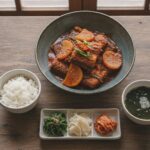
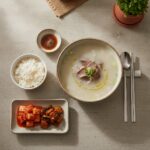
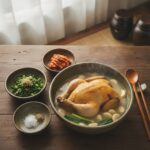
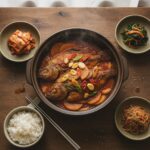
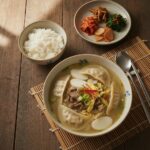
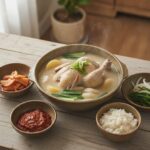
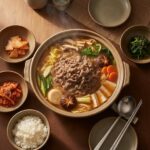
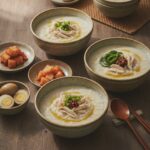
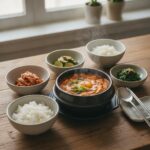
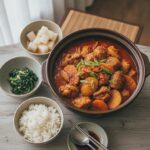
Soups, Stews & Braises (14)
Soups, Stews & Braises: what to know first
- Anchovy-kelp stocks and dashima provide essential umami bases for clean, balanced broths.
- Braising fish or chicken requires medium-low heat to allow marinades to reduce slowly.
- Adding garlic and fresh herbs near the end preserves bright aromatic notes in long-simmered dishes.
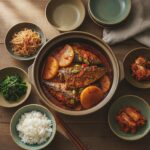
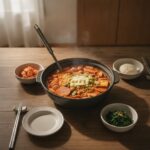
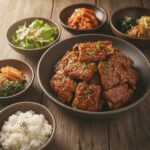
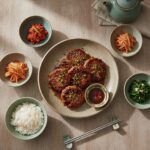
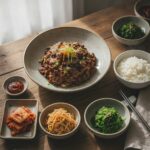
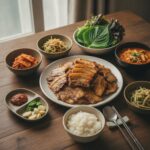
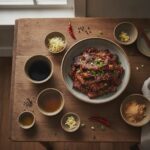
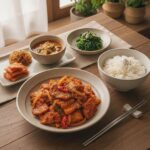
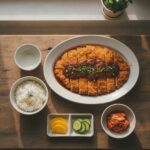
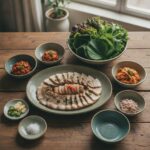
Pork & Beef Dishes (14)
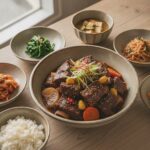
Pork & Beef Dishes: what to know first
- Gochujang pastes scorch easily; sear meats first before adding sweet and spicy marinades.
- Thinly sliced pork belly cooks rapidly, so keep vegetables prepared before heating the pan.
- Sugar or fruit purées help tenderize tougher beef cuts while balancing savory soy flavors.
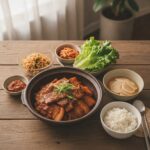
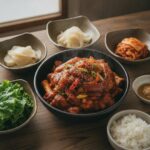
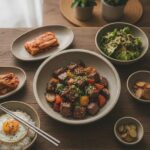
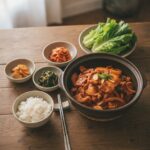
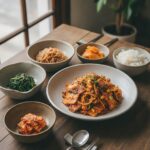
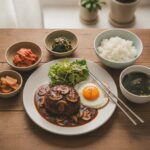
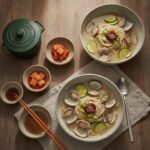
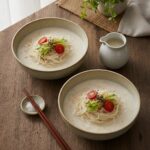
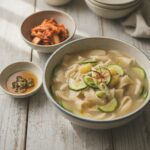
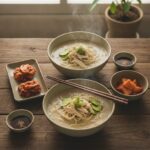
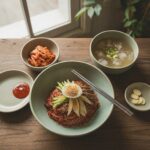
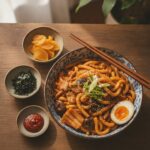
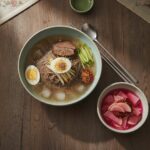
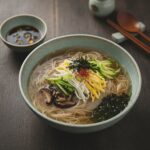
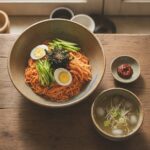
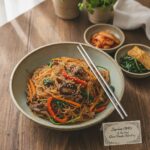
Noodles & Noodle Soups (11)
Noodles & Noodle Soups: what to know first
- Rinse wheat noodles in cold water after boiling to remove excess surface starch.
- Hand-torn noodle dough requires rest time to develop gluten and achieve a chewy texture.
- Cold noodle broths benefit from chilled bowls and ice cubes to maintain crisp flavors.
Street Food & Snacks (11)
Street Food & Snacks: what to know first
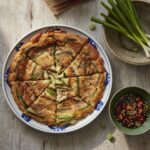
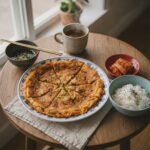
- Ice water and minimal mixing create light, crispy batters for seafood and vegetable pancakes.
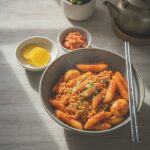
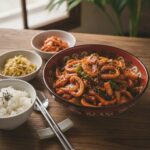
- Rice cakes expand as they simmer; adjust liquid levels to keep the sauce glossy.
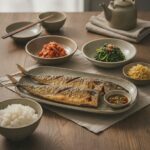
- Salt fresh mackerel before pan-searing to draw out excess moisture and firm the skin.
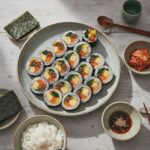
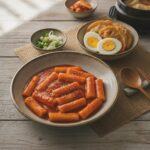
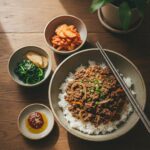
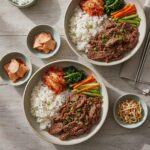
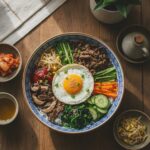
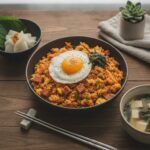
Rice Dishes & Bowls (9)
Rice Dishes & Bowls: what to know first
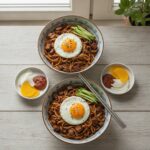
- Cold leftovers or day-old cooked rice prevent clumping in stir-fried rice recipes.
- Layering toppings over seasoned rice keeps fresh elements crisp until serving time.
- A light brush of sesame oil inside the pan adds fragrance to hot rice bowls.


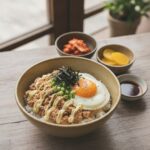
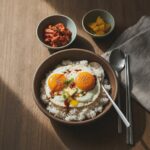

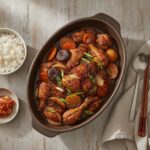
Chicken Specialties (5)
Chicken Specialties: what to know first
- Double frying chicken wings and thigh pieces ensures a crisp crust under thick sauces.
- Cornstarch coatings absorb glazes efficiently without losing structural crispness immediately.
- Low simmer times allow gochujang sauces to penetrate chicken muscle fibers without burning.
FAQ
What are essential pantry ingredients for Korean main dishes?
Gochujang (red pepper paste), gochugaru (chili flakes), soy sauce, toasted sesame oil, minced garlic, and dashima (kelp) form the core flavor profile. Keeping these items stocked lets you prepare most traditional stews, stir-fries, and rice bowls without specialized imports.
How do I adjust spicy Korean main dishes for mild diets?
Reduce gochujang or gochugaru by half and substitute soy sauce, mild broth, or honey to maintain flavor depth. Replacing spicy pastes with doenjang (fermented soybean paste) creates rich, non-spicy stews while retaining authentic Korean taste profiles.
What side dishes pair best with heavy main courses?
Pair rich pork, beef, or fried chicken with acidic, light sides like seasoned bean sprouts (kongnamul) or radish salad (musaechae). Crisp kimchi and mild broths help clean the palate between bites of dense, savory proteins.
Prefer newest first? Browse all Main Dishes posts. Other guides: Banchan · Soups & Stews · Kimchi