
Many home cooks struggle with flat, watery Korean soups because they rely on plain water instead of a proper broth base or rush the simmer time. Korean soups and stews gain depth from slow extraction—whether through anchovy-kelp stock, roasted bones, or deeply seasoned aromatics cooked down before adding liquid.
Browse these collections by soup base, main protein, or preparation style to find classic recipes. Each section breaks down essential broths, ingredient pairings, and cooking techniques for consistent, savory results at home.
Tools & resourcesRecipe Finder · Measurement Converter · Recipe Scaler · Korean Pantry Guide
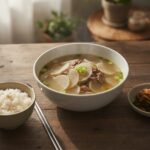
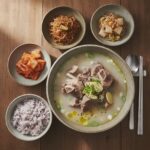
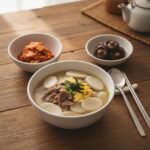
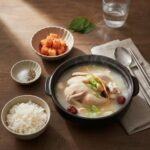
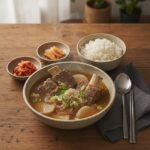
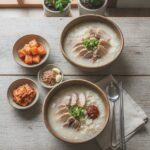
Meat & Poultry Soups (16)
Meat & Poultry Soups: what to know first
- Longer simmering times extract deep gelatin and flavor from beef bones and chicken joints.
- Skimming fat and foam during boiling keeps clear broths transparent and light.
- Pre-treating meat by soaking in cold water removes blood for a clean taste.
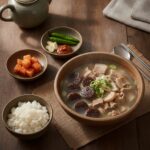
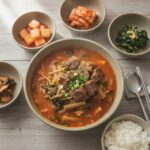
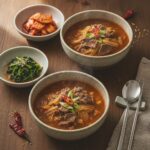
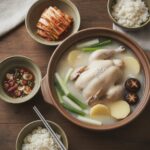
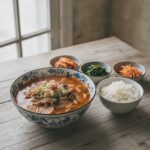
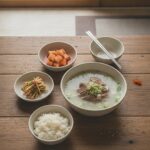
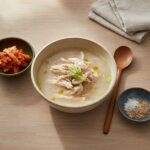
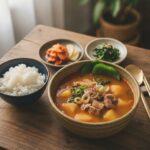
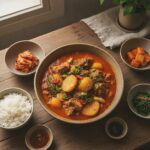
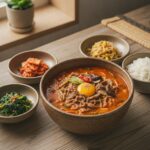
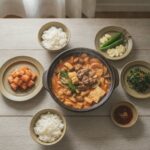
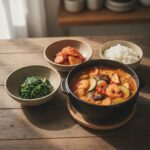
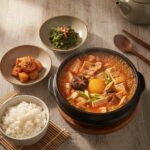
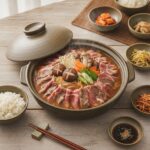
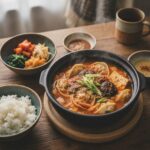
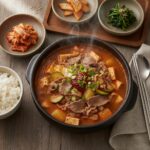
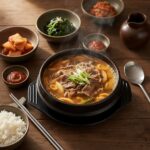
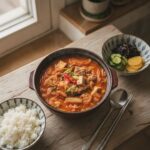
Stews & Hot Pots (15)
Stews & Hot Pots: what to know first
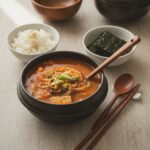
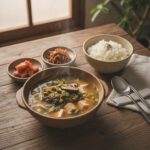
- Fermented bases like well-aged kimchi and doenjang provide essential savory depth.
- Earthenware pots retain high heat, allowing stews to bubble gently at the table.
- Sautéing aromatics in sesame oil before adding broth builds a richer flavor foundation.
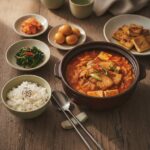
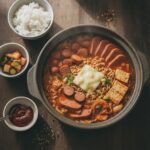
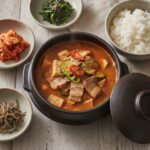
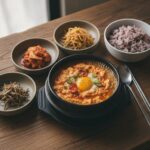
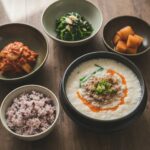
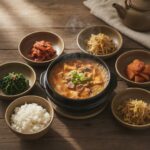
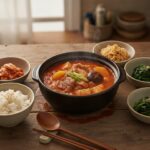
Seafood & Fish Soups (11)
Seafood & Fish Soups: what to know first
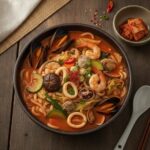
- Fresh ingredients and short cooking times prevent seafood from becoming tough and rubbery.
- Korean radish adds a crisp, natural sweetness that balances spicy and savory seafood broths.
- Salted shrimp or fish sauce enhances sea flavors better than plain table salt.
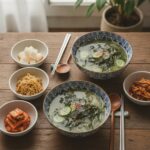
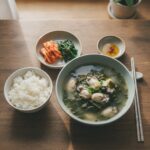
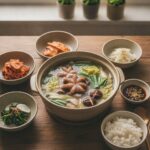
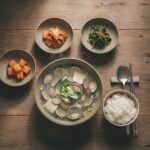
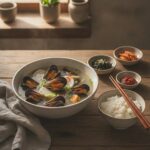
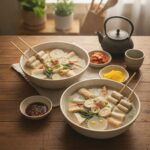
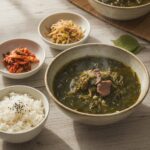
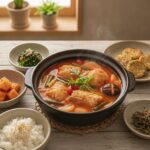
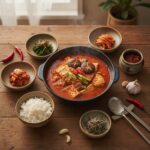
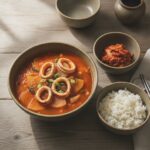
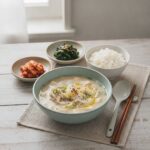
Light & Everyday Soups (11)
Light & Everyday Soups: what to know first
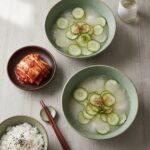
- Anchovy and kelp stock serves as the primary base for fast, daily soups.
- Remove kelp after ten minutes of boiling to prevent a bitter, slimy texture.
- Seasoning with soup soy sauce adds umami without drastically darkening clear broths.
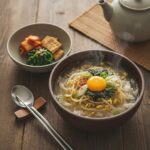
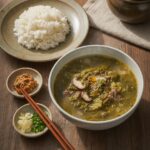
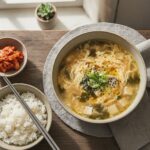
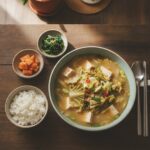
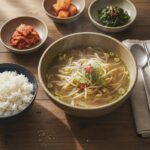
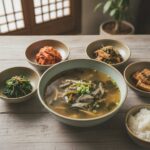
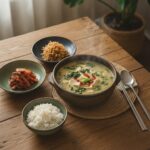
Porridges & Noodle Soups (9)
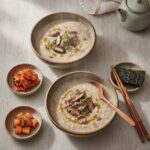
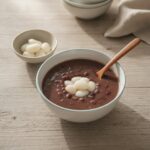
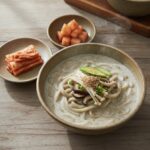
Porridges & Noodle Soups: what to know first
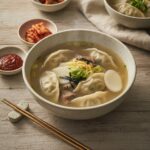
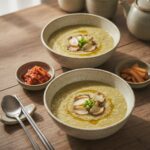
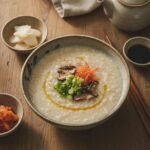
- Soaking short-grain rice before simmering creates a smooth, thick porridge consistency.
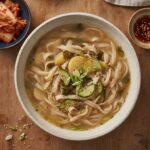
- Hand-pulled dough for sujebi requires resting time to achieve a chewy texture.
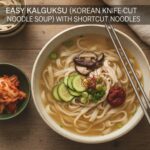
- Adding starch water or cooking noodles directly in broth thickens the soup base naturally.

FAQ
What is the difference between guk, jjigae, and jeongol?
Guk refers to individual soups with a high liquid-to-ingredient ratio. Jjigae features a thicker broth with more solid ingredients, cooked individually. Jeongol is a shared hot pot assembled with fresh ingredients and cooked directly at the table.
How do I make a rich Korean broth base quickly?
Keep dried anchovies, dashima (kelp), and dried mushrooms stocked in your pantry. Boiling them together for fifteen minutes creates an instant umami stock suitable for most Korean soups, eliminating the need for hours of simmering.
Why does my doenjang jjigae taste too salty or bitter?
Bitter notes often come from boiling kelp too long in the base stock. Excess saltiness occurs when doenjang boils down too far; balance it by adding more radish, zucchini, tofu, or a splash of unsalted rice water.
Prefer newest first? Browse all Soups & Stews posts. Other guides: Main Dishes · Banchan · Kimchi