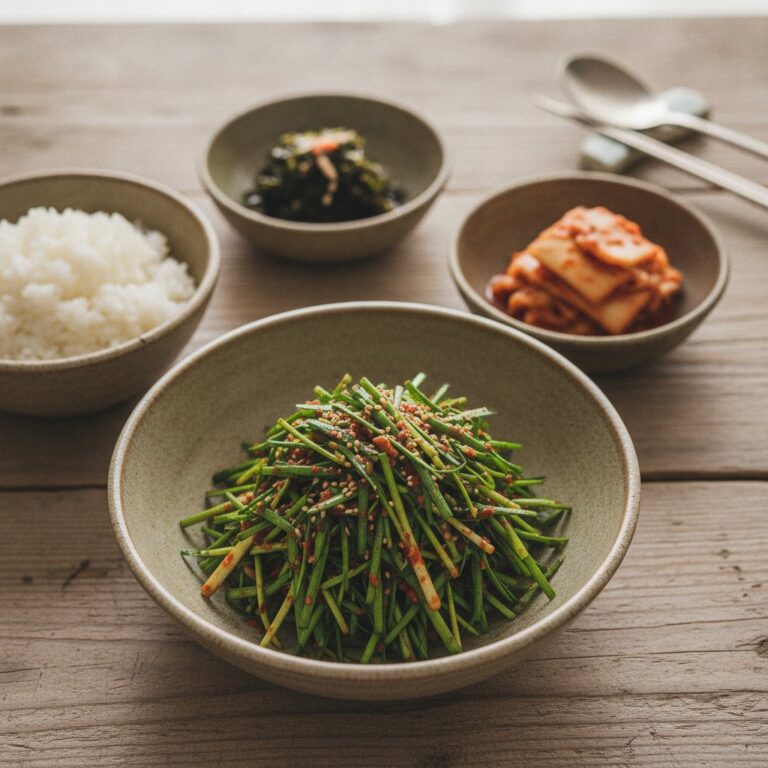
Gamjatang (Pork Bone and Potato Stew) for Home Cooks
This post contains affiliate links. As an Amazon Associate, we earn from qualifying purchases at no extra cost to you.
At a glance
- In shortLearn how to make authentic Korean pork bone and potato stew at home with accessible cuts.
- Best forHome cooks looking to prepare authentic Korean Gamjatang
- DifficultyMedium
- HeatMedium
- Key pointsBlanch and rinse pork first to eliminate gamey odors and impurities. · Substitute pork neck bones with pork shoulder or spareribs if needed. · Add vegetables in stages to ensure proper texture and even cooking.
- Heads-upDo not use raw perilla seeds for deulkkaegaru; they must be roasted and ground.
For many Koreans, myself included, the rich, savory, and spicy aroma of Gamjatang is an instant signal that comfort is near. This hearty pork bone and potato stew, a true Korean solace, has a way of warming you completely from the inside out, especially as the temperatures drop. Walking past a bustling restaurant on a chilly evening, you can almost taste the incredibly satisfying flavors of this beloved dish.
Gamjatang is more than just a stew; it’s an experience. In Korea, we often enjoy it with friends and family, gathered around a bubbling pot, picking at the tender meat right off the bone. It’s the kind of dish we reach for when we need something substantial, deeply flavorful, and yes, sometimes even as a fantastic 해장국 (haejangguk) – a comforting soup to help with a hangover! While traditionally made with pork neck bones, which lend incredible depth, I know finding them readily available outside of specialized Asian markets can be a bit of a challenge for many of you. So, for this version, I’m going to show you how to achieve that authentic, rich Gamjatang flavor using more accessible cuts like pork shoulder or spareribs, making it perfectly doable in your Western kitchen.
Don’t be intimidated by the ingredient list or the process – it’s a labor of love, but each step is straightforward, and the reward is absolutely worth it. We’ll focus on building layers of flavor, ensuring that even with a few tweaks, your homemade Gamjatang will taste just like it came from a beloved restaurant here in Seoul. Let’s get cooking!
Ingredients
- For the Pork & Broth:
- 1.5 kg (about 3.3 lbs) pork neck bones, spareribs, or pork shoulder (bone-in or boneless, cut into large chunks)
- 1 large onion (about 250 g), quartered
- 5-6 cloves garlic, smashed
- 1 piece (about 5 cm / 2 inches) fresh ginger, sliced
- 10-15 black peppercorns
- Water, for blanching and stewing
- For the Seasoning Paste (Yangnyeom):
- 4 tablespoons gochujang (Korean chili paste, e.g., CJ or Sempio brands)
- 3 tablespoons gochugaru (Korean chili powder, adjust to taste for spice)
- 2 tablespoons doenjang (Korean fermented soybean paste)
- 1 tablespoon soy sauce (Korean or regular low-sodium)
- 1 tablespoon mirin (rice wine, or dry sherry)
- 2 tablespoons minced garlic
- 1 teaspoon minced ginger
- 3 tablespoons 들깨가루 (deulkkaegaru) – roasted perilla seed powder
- 1 tablespoon sesame oil
- 1/2 teaspoon black pepper
- For the Stew:
- 3 large potatoes (about 600 g / 1.3 lbs), peeled and cut into large chunks
- 300 g (about 10 oz) napa cabbage leaves or green cabbage, cut into 5 cm (2-inch) pieces
- 150 g (about 5 oz) king oyster mushrooms (새송이버섯, saesongibeoseot) or shiitake mushrooms, sliced
- 2-3 green onions (scallions), cut into 5 cm (2-inch) pieces, plus more for garnish
- Optional: 1-2 fresh red or green chilies (e.g., jalapeños or serranos), sliced, for extra heat
- Optional: Additional deulkkaegaru for serving
Substitutions
- Pork Neck Bones: If you can’t find pork neck bones, high-quality pork spareribs (cut into individual ribs) or even bone-in pork shoulder chunks are excellent alternatives. Boneless pork shoulder will also work, but bone-in will add more depth to the broth.
- 들깨가루 (Deulkkaegaru – Perilla Seed Powder): This is truly a signature flavor of Gamjatang, giving it a unique nutty, earthy aroma. If it’s absolutely impossible to find at your Asian market or online, you can try substituting with finely ground roasted sesame seeds, though the flavor will be different. Don’t use raw perilla seeds; they need to be roasted and ground.
- Napa Cabbage (우거지, ugeoji): While we often use dried napa cabbage leaves rehydrated (called ugeoji) for extra chewiness, fresh napa cabbage or even regular green cabbage works perfectly. Spinach or kale can also be used if you blanch them first to soften.
- Doenjang (Korean Fermented Soybean Paste): Japanese miso paste (especially red miso) can be used as a substitute, but use slightly less as it can be saltier, and the flavor profile is a bit milder than Korean doenjang.
- Mirin: Dry sherry or white wine can be used in a pinch.

How to Make It
- Prepare the Pork (The Essential First Step): Start by rinsing your pork thoroughly under cold running water. This initial rinse helps remove any loose impurities. Next, place the pork in a large pot, cover with cold water, and bring it to a rolling boil. Boil for about 10-15 minutes. Why we do this: This blanching step is crucial for removing any gamey smell and drawing out blood and impurities from the pork, ensuring a clean-tasting, clear broth for your stew. You’ll see a lot of foam and scum rise to the surface – that’s exactly what we want to get rid of!
- Rinse and Set Aside: Drain the blanched pork in a colander and rinse each piece thoroughly under cold water, scrubbing off any remaining scum or residue. Clean out your pot. Why we do this: A thorough rinse prevents any lingering impurities from affecting the final flavor and appearance of your Gamjatang.
- Simmer for a Flavorful Broth: Return the cleaned pork to the large pot. Add the quartered onion, smashed garlic cloves, sliced ginger, and black peppercorns. Cover the pork and aromatics with about 3-4 liters (12-16 cups) of fresh water. Bring to a boil, then reduce the heat to low, cover, and simmer for at least 1.5 to 2 hours, or until the pork is very tender and easily pulls away from the bone (if using bone-in cuts). Why we do this: A long, slow simmer extracts maximum flavor from the pork and aromatics, creating a rich, deeply savory base for your stew. Tenderness is key for fall-off-the-bone deliciousness.
- Prepare the Vegetables: While the pork is simmering, prepare your vegetables. Peel and cut potatoes into large, bite-sized chunks (about 3-4 cm / 1.5 inches). Cut napa cabbage or green cabbage into 5 cm (2-inch) pieces. Slice your mushrooms. If using fresh chilies, slice them. Why we do this: Cutting potatoes into large chunks helps them hold their shape better during the long cooking time, preventing them from turning mushy.
- Make the Seasoning Paste (Yangnyeom): In a medium bowl, combine the gochujang, gochugaru, doenjang, soy sauce, mirin, minced garlic, minced ginger, deulkkaegaru, sesame oil, and black pepper. Mix everything thoroughly until you have a thick, uniform paste. Why we do this: Preparing the seasoning paste in advance ensures that all the flavors are well-integrated and distribute evenly throughout the stew. It also allows the aromatics to meld a bit before hitting the hot broth.
- Combine and Simmer: Once the pork is tender, carefully remove the pork pieces from the pot and set aside to cool slightly. Strain the broth through a fine-mesh sieve into another large pot or bowl, discarding the cooked aromatics. Shred the pork meat from the bones if using bone-in cuts. Return the strained broth to the pot, then add the seasoning paste and stir well until fully dissolved. Bring the broth to a gentle boil, then add the potato chunks and the shredded/chunked pork. Reduce heat to medium-low and simmer for 15-20 minutes, or until the potatoes are tender. Why we do this: Simmering the potatoes with the broth and seasoning allows them to absorb the rich flavors as they cook, becoming incredibly delicious.
- Add Remaining Vegetables: Add the napa cabbage (or green cabbage) and sliced mushrooms to the pot. Continue to simmer for another 10-15 minutes, or until the cabbage is tender and wilted, and the mushrooms are cooked through. If using fresh chilies, add them now for a burst of fresh heat. Why we do this: We add the vegetables in stages to ensure everything cooks evenly without overcooking delicate ingredients like mushrooms or cabbage.
- Final Touches and Serve: Taste the stew and adjust seasoning if needed. You might want a pinch more salt, a dash more soy sauce, or a bit more gochugaru for extra spice. Stir in the green onions just before serving. Ladle the hot Gamjatang into bowls, and if you like, sprinkle with a little extra deulkkaegaru or chopped green onions for garnish. Serve immediately with a bowl of steamed white rice and your favorite banchan (side dishes). Enjoy! Why we do this: A final taste adjustment is key to personalizing the stew to your preference. Adding green onions at the very end preserves their fresh, slightly pungent flavor and vibrant color.

🛒 Gamjatang for Home Cooks
As an Amazon Associate we earn from qualifying purchases.
Shop Ingredients & Tools →Tips from a Korean Kitchen
- Don’t Skip the Blanching: I cannot stress this enough! The initial blanching of the pork is the secret to a clean-tasting, non-gamey Gamjatang. It makes all the difference in the final flavor of your broth.
- Patience for Tenderness: The long simmering time for the pork isn’t just for flavor; it’s essential for achieving that fall-off-the-bone tenderness that makes Gamjatang so satisfying. Don’t rush this step. If you have a pressure cooker, it can significantly cut down the initial simmering time for the pork (about 40-50 minutes).
- Embrace Perilla Powder (Deulkkaegaru): This ingredient is what gives Gamjatang its distinctive, earthy, nutty, and slightly bitter depth. It’s often added generously in Korean homes. If you love the flavor, don’t be shy about adding an extra spoonful or two at the table.
- Customize Your Spice Level: The amount of gochugaru (chili powder) is completely up to your preference. If you prefer a milder stew, start with less and add more at the end. For more heat, feel free to add fresh chilies or extra gochugaru when simmering.
Storage
Gamjatang, like many stews, often tastes even better the next day as the flavors meld and deepen. Store any leftovers in an airtight container in the refrigerator for up to 3-4 days. For longer storage, it freezes beautifully. Divide into single-serving portions and freeze for up to 2-3 months. To reheat, thaw overnight in the fridge if frozen, then gently warm on the stovetop over medium heat, or in the microwave. You might need to add a splash of water or broth to loosen it up if it has thickened too much.
FAQ
Can I make Gamjatang less spicy?
Absolutely! The spice level is quite flexible. You can reduce the amount of gochugaru (Korean chili powder) in the seasoning paste, or even omit the fresh chilies entirely. The gochujang (chili paste) provides a fundamental savory depth, so I recommend keeping that, but you can adjust the powder to your liking.
What are 우거지 (ugeoji) and 들깨가루 (deulkkaegaru)?
우거지 (ugeoji) refers to the outer leaves of napa cabbage or other leafy greens, often dried and rehydrated, or simply fresh and blanched. They add a wonderful chewy texture and earthy flavor to the stew. 들깨가루 (deulkkaegaru) is roasted and ground perilla seed powder, a signature ingredient in Gamjatang, giving it a unique nutty, earthy, and slightly herbaceous flavor. It’s truly what makes Gamjatang distinctive.
Can I use a pressure cooker for this recipe?
Yes, a pressure cooker is fantastic for tenderizing the pork quickly! After the initial blanching and rinsing, place the pork, onion, garlic, ginger, and peppercorns in your pressure cooker with enough water to cover. Cook on high pressure for about 40-50 minutes, then allow for natural release. This will significantly cut down the overall cooking time while still achieving incredibly tender pork.
🛒 Gamjatang for Home Cooks
As an Amazon Associate we earn from qualifying purchases.
Shop Ingredients & Tools →More on Meat & Poultry Soups
- Creamy Korean Oxtail Soup (Kkori Gomtang)A detailed recipe for making traditional Korean milky oxtail soup (Kkori Gomtang) at home.
- Mu Guk: Korean Beef and Radish SoupLearn how to prepare classic Korean Mu Guk, a clean and comforting beef and radish soup.
- Gamja Guk (Korean Potato Soup)A recipe for making Gamja Guk, a quick and comforting Korean potato and pork soup.
See every Meat & Poultry Soups post in our Soups & Stews guide.
Handy toolsRecipe scaler · Measurement converter · Korean pantry guide · Recipe Finder
More Korean Recipes
- Kongnamul Guk (Bean Sprout Soup): Korea’s Soothing Hangover Helper
- Seoul Home Cook’s Yukgaejang (Spicy Shredded Beef Soup)
- Korean Anchovy-Kelp Broth (Myeolchi Yuksu): The Heart of Korean Cooking
- Eomuk Guk (Korean Fish Cake Soup): Street Stall Warmth in a Pot
🛒 Gamjatang for Home Cooks
As an Amazon Associate we earn from qualifying purchases.
Shop Ingredients & Tools →