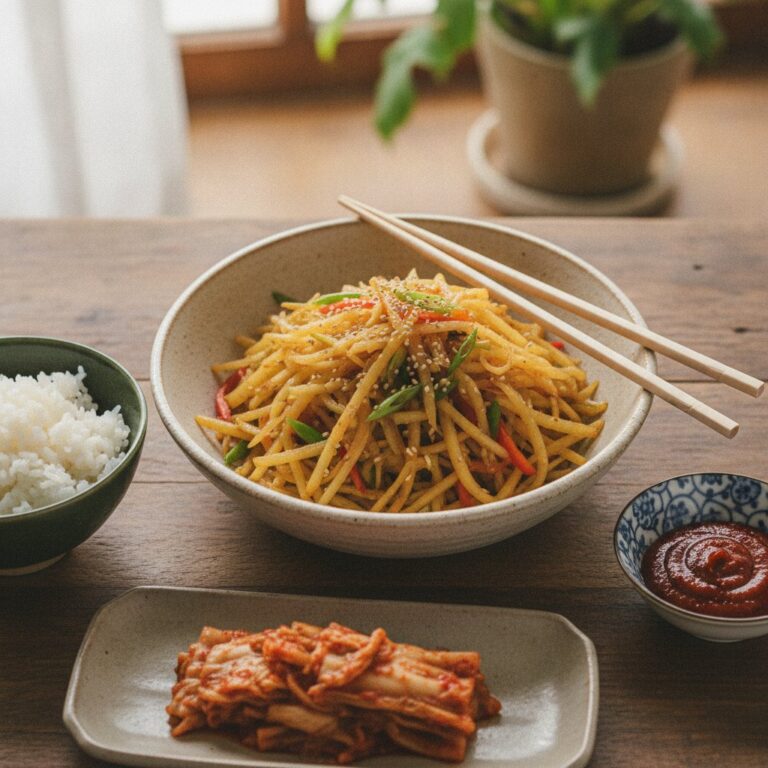
Fresh & Crisp Sukju Namul (Korean Mung Bean Sprout Salad) Recipe
This post contains affiliate links. As an Amazon Associate, we earn from qualifying purchases at no extra cost to you.
At a glance
- In shortLearn how to make Fresh & Crisp Sukju Namul, a classic Korean mung bean sprout side dish.
- Best forHome cooks seeking a simple Korean bean sprout side dish
- DifficultyEasy
- HeatNot spicy
- Key pointsBlanch bean sprouts for just 1 to 2 minutes to preserve their crunch. · Cool immediately and squeeze out excess water to prevent dilute flavors. · Season gently by hand with garlic, soy sauce, sesame oil, and sesame seeds.
- Heads-upOvercooking sprouts even by 30 seconds will make them soggy and mushy.
Annyeonghaseyo, everyone! It’s your Korean home cook here from Seoul, excited to share another beloved recipe from my kitchen to yours. Today, we’re diving into a dish that is the epitome of simplicity and refreshing taste: Sukju Namul (숙주나물), or Korean Mung Bean Sprout Salad.
In Korea, namul (나물) refers to a variety of seasoned vegetable dishes, and Sukju Namul is one of the most common and cherished. You’ll find it on almost any Korean dining table, whether it’s a casual weeknight dinner or a festive holiday spread. It’s a staple banchan (반찬), which means a side dish, and it brings a delightful crunch and a clean, fresh flavor that perfectly balances richer, spicier main courses like bulgogi (marinated beef) or kimchi jjigae (kimchi stew). In my family, we often make a big batch of this because it disappears so quickly!
Why this version? Well, as a home cook, I believe in authenticity and simplicity. The secret to truly delicious Sukju Namul isn’t a complex list of ingredients, but rather knowing a few key techniques to bring out the best in those humble mung bean sprouts. This recipe focuses on achieving that perfect tender-crisp texture and a well-balanced seasoning that Koreans actually make at home. You won’t need any fancy equipment or obscure ingredients that are hard to find outside of Korea. We’ll be using items you can easily pick up at most regular Western grocery stores, with perhaps a quick trip to an Asian market or Amazon for a couple of Korean staples if you’re feeling adventurous. Let’s get cooking!
Ingredients
- 500 g (about 1.1 lb) fresh mung bean sprouts
- 2-3 cloves garlic, minced
- 1-2 green onions (scallions), finely chopped
- 1.5 tablespoons Korean soy sauce (Ganjang, 간장) or regular all-purpose soy sauce
- 1 tablespoon sesame oil (참기름, chamgireum)
- 1 tablespoon toasted sesame seeds (볶은 참깨, bokkeun chamkkae), plus extra for garnish
- 1/2 teaspoon fine sea salt, plus extra for blanching
- Optional: 1/4 teaspoon gochugaru (고춧가루, Korean chili flakes) for a subtle kick
Substitutions
Don’t worry if you can’t find every single ingredient exactly as listed. Here are some easy swaps:
- Korean Soy Sauce (Ganjang): While Korean soy sauce has a distinct depth, any good quality all-purpose soy sauce you have in your pantry will work perfectly fine. If you need a gluten-free option, use tamari.
- Gochugaru (Korean Chili Flakes): This adds a beautiful, nuanced heat and color. If you don’t have it, you can simply omit it for a milder salad, or use a tiny pinch of very fine red pepper flakes (like cayenne pepper) if you absolutely crave some heat. Just be mindful, as other chili flakes can be much spicier and have a different flavor profile.
- Toasted Sesame Seeds: If you only have raw sesame seeds, you can easily toast them yourself! Just spread them in a dry, non-stick pan over medium-low heat and stir constantly for 2-4 minutes until they are fragrant and lightly golden.

How to Make It
Making Sukju Namul is wonderfully straightforward, but each step plays an important role in achieving that perfect taste and texture. Follow along, and you’ll be a namul master in no time!
- Prepare the Mung Bean Sprouts: First things first, you need to clean your sprouts thoroughly. Gently rinse the 500g (1.1 lb) mung bean sprouts under cold running water, picking through them to remove any stray green husks or darkened bits. Sometimes, the sprouts come with a bit of a grassy smell, so a good rinse is essential to ensure they taste clean and fresh. This step is about both hygiene and ensuring a pleasant eating experience.
- Blanch the Sprouts to Perfection: Bring a large pot of water (enough to submerge the sprouts easily) to a rolling boil over high heat. Add a generous pinch of fine sea salt to the boiling water – about 1/2 teaspoon. Why salt the water? Just like with pasta, salting the blanching water seasons the sprouts from the inside out, making them taste much better than if you just blanched them in plain water. Once the water is boiling vigorously, add the cleaned mung bean sprouts. Cook them for only 1 to 2 minutes. This short cooking time is crucial! You’re looking for them to be tender-crisp – still having a slight bite, but no longer raw. Overcooking will make them soggy and mushy, losing all their delightful crunch. I always tell my kids, “Quick in, quick out!”
- Cool and Drain Immediately: As soon as the sprouts are done (they’ll look slightly translucent and feel just tender), quickly drain them through a colander. Immediately rinse them under very cold running water for about 30 seconds to 1 minute, or plunge them into an ice bath if you have one ready. Why cool them quickly? This stops the cooking process instantly, preventing them from becoming overcooked by residual heat and preserving that perfect crisp texture. It also washes away any starchy residue, keeping them clean-tasting.
- Squeeze Out Excess Water: This is a step many beginners overlook, but it’s incredibly important! Once cooled, gather a handful of the blanched sprouts and gently but firmly squeeze out as much excess water as you can. Repeat this with all the sprouts. You don’t need to wring them dry with all your might, but you should feel a good amount of water come out. Why remove the water? If you leave too much water in the sprouts, it will dilute your seasoning, making your namul bland and watery instead of flavorful and concentrated. This ensures your seasonings really cling to the sprouts.
- Season the Sprouts: Transfer the squeezed mung bean sprouts to a large mixing bowl. Add the minced garlic (2-3 cloves), finely chopped green onions (1-2 stalks), Korean soy sauce (1.5 tablespoons), sesame oil (1 tablespoon), toasted sesame seeds (1 tablespoon), and the optional gochugaru (1/4 teaspoon). Why these seasonings? This combination creates the classic, balanced flavor profile of Sukju Namul – aromatic garlic, pungent green onion, savory soy sauce, nutty sesame oil, and crunchy sesame seeds. The gochugaru adds a gentle warmth without overpowering.
- Mix and Taste to Perfection: Now, for the fun part! Get your clean hands in there and gently mix all the ingredients together. I find using my hands (with a clean glove, if you prefer) is the best way to ensure all the sprouts are evenly coated with the seasoning without bruising them. Toss and fluff the sprouts, making sure everything is well combined. Why mix by hand? It’s much gentler than a spoon and allows you to feel if the seasoning is distributed. Once mixed, taste a small spoonful. This is your chance to adjust! Add a little more salt if it tastes bland, or a tiny splash more soy sauce or sesame oil if you feel it needs more depth. Every batch of sprouts can be a little different, so tasting is key to achieving your personal preference.
- Serve and Enjoy: Transfer your beautifully seasoned Sukju Namul to a serving dish. Garnish with a sprinkle of extra toasted sesame seeds for an appealing finish. Serve immediately, or chill it in the refrigerator for at least 30 minutes for the flavors to meld even more. It’s truly a delight, whether served as part of a grand Korean feast or a simple meal at home.

🛒 Fresh & Crisp Sukju Namul Recipe
As an Amazon Associate we earn from qualifying purchases.
Shop Ingredients & Tools →Tips from a Korean Kitchen
Having made Sukju Namul countless times over the years, I’ve picked up a few insider tips and noticed common mistakes that can make or break this simple dish. Here’s what I want you to remember:
- The Blanching Time is Gold: I cannot stress this enough – do NOT overcook your mung bean sprouts! The difference between perfectly tender-crisp and sad, soggy sprouts is literally 30 seconds. Set a timer, stay by the pot, and pull them out as soon as they lose their raw stiffness. You want that satisfying crunch! This is the most critical step for delicious Sukju Namul.
- Squeeze, Squeeze, Squeeze (But Gently!): Removing excess water is the secret to concentrated flavor. If your namul tastes watery or bland, chances are you didn’t squeeze enough water out after blanching. However, don’t be too aggressive; you don’t want to mash the sprouts. A firm, gentle squeeze will do.
- Use Fresh Sprouts: This might seem obvious, but really fresh mung bean sprouts make a world of difference. They should be firm, bright white (with yellow tips), and have a clean, earthy scent. If they look slimy, brownish, or smell off, discard them. No amount of seasoning can fix stale sprouts.
- Taste and Adjust Seasoning: My mother always taught me to taste everything before serving, and it’s especially true for namul. Different brands of soy sauce have varying sodium levels, and your own preference for saltiness or garlic intensity might differ. Don’t be afraid to add a little more salt, soy sauce, or sesame oil until it tastes just right to you. It’s YOUR kitchen, after all!
Storage
Sukju Namul is a fantastic make-ahead side dish. Store any leftovers in an airtight container in the refrigerator for up to 3-4 days. It tastes wonderful chilled, making it perfect for lunchboxes or a quick snack. Unfortunately, it does not freeze well; the sprouts will become mushy upon thawing, losing their delightful texture. There’s no need to reheat it; Sukju Namul is always served cold or at room temperature.
FAQ
Can I make Sukju Namul vegan and gluten-free?
Yes, absolutely! This recipe is naturally vegan, as it contains no animal products. To make it gluten-free, simply ensure you use a certified gluten-free soy sauce or tamari instead of regular soy sauce. Most other ingredients, like mung bean sprouts, garlic, green onions, sesame oil, and sesame seeds, are naturally gluten-free.
Why do my mung bean sprouts sometimes taste bitter or have a strange smell?
If your sprouts taste bitter or have an off-putting smell, it’s usually an indication that they are not fresh or have been stored improperly. Fresh mung bean sprouts should have a clean, slightly sweet, earthy aroma and a mild flavor. Always buy sprouts that look plump and bright, and use them as quickly as possible. A thorough rinse before blanching also helps remove any lingering odors.
What are some other ways to enjoy Sukju Namul?
While Sukju Namul is a perfect stand-alone banchan, it’s also a versatile ingredient! It’s famously used as a topping for bibimbap (비빔밥, mixed rice with vegetables and meat), adding essential crunch and freshness. You can also mix it into cold noodle dishes like bibim guksu (비빔국수, spicy mixed noodles) or add it to a simple ramen for extra vegetables and texture. Sometimes, I even toss a small amount into a fresh green salad for an unexpected Korean twist!
🛒 Fresh & Crisp Sukju Namul Recipe
As an Amazon Associate we earn from qualifying purchases.
Shop Ingredients & Tools →More on Seasoned Namul & Salads
- Broccoli Tofu Muchim RecipeLearn how to make Broccoli Tofu Muchim, a nutritious and savory Korean side dish.
- Fresh Green Onion Salad Recipe (Pajeori)How to make crisp Korean spicy green onion salad (pajeori) to pair with barbecue.
- Korean Dried Radish Side Dish (Mu Malleangi)Learn how to make mu malleangi muchim, a sweet, spicy, and crunchy Korean dried radish side dish.
See every Seasoned Namul & Salads post in our Banchan guide.
Handy toolsRecipe scaler · Measurement converter · Korean pantry guide · Recipe Finder
More Korean Recipes
- Sweet & Savory Kongjaban (Korean Black Beans)
- Creamy, Crunchy Gamja Salad (Korean Potato Salad)
- Oi Muchim (Spicy Korean Cucumber Salad) in 10 Mins
- Creamy Korean Corn Cheese (콘치즈)
🛒 Fresh & Crisp Sukju Namul Recipe
As an Amazon Associate we earn from qualifying purchases.
Shop Ingredients & Tools →