Musaengchae: The Sweet-Tangy Shredded Korean Radish Salad (무생채)
This post contains affiliate links. As an Amazon Associate, we earn from qualifying purchases at no extra cost to you.
At a glance
- In shortLearn how to make Musaengchae, a crisp, sweet, tangy, and mildly spicy Korean shredded radish salad.
- Best forHome cooks looking for an easy Korean radish side dish
- DifficultyEasy
- HeatMild
- Key pointsSalting radish draws out excess water to ensure a crunchy texture. · Rinse and squeeze the salted radish lightly so it retains juiciness. · Mix with garlic, scallion, vinegar, sugar, gochugaru, and fish sauce.
- Heads-upDo not squeeze the radish bone-dry or it may become stringy.
Annyeonghaseyo, everyone! It’s your Korean home cook here from Seoul, excited to share another beloved staple from our kitchen. Today, we’re diving into the delightful world of Musaengchae (무생채), a vibrant, refreshing, and utterly addictive sweet-tangy shredded Korean radish salad.
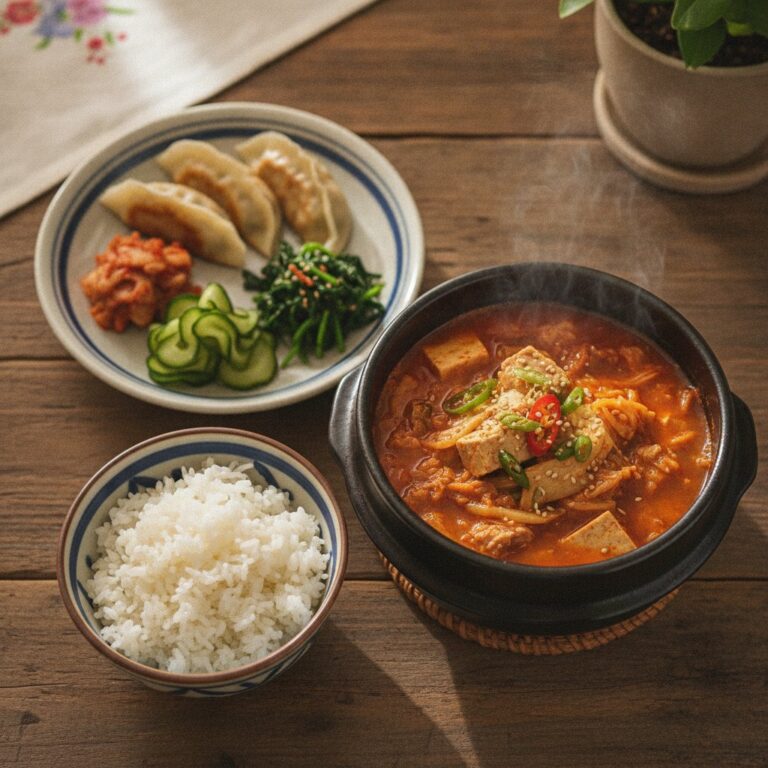
For us Koreans, Musaengchae isn’t just a side dish; it’s a burst of freshness that brightens any meal. You’ll find it on almost every Korean table, from humble home dinners to bustling restaurant feasts. It’s particularly wonderful when paired with rich, hearty stews like Kimchi jjigae (kimchi stew) or Sundubu jjigae (soft tofu stew), as its crisp, zesty profile cuts through the richness beautifully. It’s also an absolute must-have topping for Bibimbap (mixed rice with vegetables) and a fantastic accompaniment to grilled meats like Samgyeopsal (pork belly BBQ).
In my family, Musaengchae is a non-negotiable. My mother always said a meal felt incomplete without some kind of fresh, fermented, or pickled vegetable dish, and this Korean radish salad certainly fits the bill. It’s incredibly easy to make, uses simple ingredients, and offers a fantastic balance of sweet, sour, and a hint of spicy kick that’s perfect for all palates. This version is designed with you, my dear readers, in mind – those of you shopping at Western grocery stores with perhaps an occasional trip to an Asian market. It’s authentic, approachable, and truly captures the essence of homemade Korean cooking.
Ingredients
- 500 g (about 1.1 lb) Korean radish (mu), or daikon radish
- 1 Tbsp fine sea salt, plus more to taste
- 2 cloves garlic, minced
- 1 stalk green onion (scallion), thinly sliced (white and light green parts)
- 3 Tbsp rice vinegar (not seasoned rice vinegar)
- 2 Tbsp sugar
- 1-2 Tbsp gochugaru (Korean chili flakes), adjust to your spice preference
- 1 Tbsp fish sauce (or guk ganjang/Korean soup soy sauce)
- 1 tsp toasted sesame oil
- 1 tsp toasted sesame seeds
Substitutions
I understand that finding specific Korean ingredients can sometimes be a challenge outside of Korea. Don’t worry, we can definitely make this work!
- Korean Radish (Mu): This is the star, known for its crisp texture and slightly sweet, peppery flavor. If you can’t find a Korean radish, a large daikon radish is your best bet. Daikon has a similar texture and mild flavor, though it might be a bit less sweet than Korean mu. Avoid using small red radishes, as their texture and pungent flavor profile are quite different.
- Gochugaru (Korean Chili Flakes): This is essential for the authentic color and mild, smoky heat. If you absolutely cannot find gochugaru (many Asian markets or Amazon carry it!), you can try a mix of regular red pepper flakes and a tiny pinch of cayenne pepper for a similar heat profile, though the flavor will be slightly different. Start with less and add more to taste.
- Fish Sauce: This adds a wonderful depth of umami. If you can’t use fish sauce or prefer a vegetarian option, you can substitute with regular soy sauce, or better yet, guk ganjang (Korean soup soy sauce) if you have it. Just be mindful of the saltiness and adjust accordingly.
- Rice Vinegar: Make sure you use plain rice vinegar, not the seasoned kind, which often contains added sugar and salt. If you only have seasoned rice vinegar, reduce the sugar in the recipe slightly.

How to Make It
Making Musaengchae is a simple pleasure, but a few key steps make all the difference for that perfect crunch and balanced flavor. Let’s get cooking!
-
Prepare and Salt the Radish: First, wash and peel your Korean radish (or daikon). Now, for the shredding! The traditional way is to julienne it into thin matchsticks, about 5-6 cm (2-2.5 inches) long and 0.5 cm (1/5 inch) thick. I find a mandoline slicer with a julienne blade makes this task incredibly easy and uniform, but a sharp knife and a bit of patience work just as well. Aim for even thickness so they season and absorb flavor consistently. Place the shredded radish in a large bowl and sprinkle 1 tablespoon of fine sea salt over it. Toss it gently with your hands, ensuring the salt is evenly distributed. Why do we salt it? This crucial step is a secret weapon for crunchy, flavorful mu. Salting draws out excess water from the radish, preventing it from becoming soggy when mixed with the dressing. It also lightly pre-seasons the radish, making it a better canvas for the sweet and tangy marinade. Let it sit for 20-30 minutes, or until the radish has visibly softened and released a good amount of water. You’ll see a puddle at the bottom of the bowl.
-
Rinse and Squeeze: After the salting period, the radish will be much softer. Transfer the radish to a colander and rinse it thoroughly under cold running water. Why rinse? This removes any excess salt, ensuring your Musaengchae isn’t overly salty and perfectly prepped for the dressing. After rinsing, gather handfuls of the shredded radish and gently squeeze out the excess water. But here’s a crucial tip: don’t overdo it! We want to remove *excess* water, not *all* of it. A little moisture left in the radish helps it absorb the dressing better and keeps it juicy. If you squeeze it bone-dry, the mu can become stringy and lose its refreshing quality. Just enough so it’s not dripping wet. Place the squeezed radish back into your large mixing bowl.
-
Prepare the Dressing: While your radish is salting and rinsing, you can prepare the flavor-packed dressing. In a separate small bowl, combine the minced garlic, thinly sliced green onion, rice vinegar, sugar, gochugaru (start with 1 tablespoon if you’re sensitive to spice, and add more later if desired), fish sauce, toasted sesame oil, and toasted sesame seeds. Why mix the dressing separately? This ensures that all the ingredients, especially the sugar, fully dissolve and meld together, creating a perfectly balanced and uniform dressing. Stir everything well until the sugar has dissolved.
-
Combine and Toss: Pour the prepared dressing over the squeezed radish in the large mixing bowl. Now, it’s time to get your hands in there! Using clean hands (or kitchen gloves), gently toss and massage the radish with the dressing. Why use your hands? It’s the best way to ensure every single strand of radish is evenly coated without crushing it. Be gentle but thorough. You’ll see the radish quickly take on that beautiful vibrant red-orange color from the gochugaru.
-
Rest and Serve: Once everything is thoroughly mixed, give it a quick taste. Adjust the seasoning if needed – maybe a little more sugar for sweetness, a dash more vinegar for tang, or an extra pinch of gochugaru for heat. For the best flavor, cover the bowl and let the Musaengchae rest in the refrigerator for at least 30 minutes, or even better, an hour. Why rest? This allows the flavors to meld together and for the radish to fully absorb the delicious dressing, enhancing its taste and texture. Serve chilled as a refreshing side dish with any Korean meal. Enjoy!

Tips from a Korean Kitchen
-
Choosing the Right Radish: When selecting your Korean radish (mu) or daikon, look for one that is firm, heavy for its size, and free of blemishes. A good radish will have a smooth, unwrinkled skin. The heavier it is, the more water content it likely has, which translates to a crispier salad.
-
The Art of Shredding: Uniformity is key here. Whether you’re using a mandoline or a knife, try to get your radish into evenly sized matchsticks. This ensures that each piece absorbs the dressing equally and contributes to a consistent, satisfying crunch. Uneven pieces can lead to some being too soft and others too tough.
-
Don’t Fear the Salt, But Do Rinse Well: The initial salting step is crucial for texture, but just as important is the thorough rinsing afterward. If you don’t rinse enough, your Musaengchae will be overly salty. But don’t be shy about squeezing out the water – it’s what gives Musaengchae its signature crispness. Just remember, a *gentle* squeeze to remove excess, not to completely dry it out.
-
Taste as You Go and Adjust: Every radish is a little different, and so are individual palates! After mixing the dressing and letting it sit for a bit, give it a taste. Do you prefer it a bit sweeter? Add a touch more sugar. A little tangier? A splash more vinegar. Spicier? More gochugaru! Don’t be afraid to tweak the flavors to suit your personal preference. This is home cooking, after all!
Storage
Musaengchae is best enjoyed fresh, but it stores remarkably well in the refrigerator. Transfer any leftovers to an airtight container and keep it chilled. It will maintain its delicious flavor and crisp texture for 3 to 5 days. Beyond that, the radish tends to soften, and while still edible, it loses some of its ideal crunch. Musaengchae is not suitable for freezing, as the radish’s texture will become unpleasantly mushy upon thawing. This is a dish that’s always served cold, so no reheating is necessary!
FAQ
Can I use regular radishes instead of Korean radish or daikon?
While you can use regular small red radishes, I don’t highly recommend it for Musaengchae. Korean radish (mu) and daikon have a milder flavor and a crisp, watery texture that’s ideal for this salad. Regular red radishes tend to be much more pungent and have a slightly different, denser texture that doesn’t quite achieve the same refreshing crunch that defines Musaengchae. If you must use them, be aware the flavor profile will be significantly different, and you might need to adjust the dressing to balance their stronger peppery taste.
Is Musaengchae very spicy?
The spiciness of Musaengchae is entirely adjustable and depends on the amount of gochugaru (Korean chili flakes) you add. The recipe suggests 1-2 tablespoons, but you can certainly start with less (e.g., 1/2 tablespoon) for a very mild version or add more for a stronger kick. Gochugaru typically offers a mild, fruity heat compared to other chili flakes, so it’s usually not overpoweringly spicy, even at 2 tablespoons, but it’s always best to tailor it to your preference.
What do I eat Musaengchae with?
Musaengchae is incredibly versatile and pairs well with almost any Korean meal! It’s famously served as a banchan (side dish) with rice and various stews like Kimchi jjigae (kimchi stew), Sundubu jjigae (soft tofu stew), or Doenjang jjigae (soybean paste stew). It’s also a fantastic addition to Bibimbap (mixed rice with vegetables) for an extra layer of crunch and flavor. Many Koreans also enjoy it with grilled meats, fried fish, or even in a wrap with some BBQ pork (like Jeyuk bokkeum, spicy pork stir-fry). Its refreshing tang helps cleanse the palate and balance richer dishes.
More on Seasoned Namul & Salads
- Gaji Namul (Korean Steamed Eggplant)Learn how to make authentic Gaji Namul, a simple steamed Korean eggplant side dish.
- Oi Muchim (Spicy Korean Cucumber Salad)A quick guide to making crisp, authentic Korean spicy cucumber salad in under 10 minutes.
- Gamja Salad (Korean Potato Salad)How to make authentic Korean Gamja Salad with potatoes, crunchy vegetables, and eggs in a sweet-savory mayo dressing.
See every Seasoned Namul & Salads post in our Banchan guide.
Handy toolsRecipe scaler · Measurement converter · Korean pantry guide · Recipe Finder
More Korean Recipes
- Ssamjang Recipe: The Dipping Sauce Ratio Koreans Actually Use (쌈장 레시피)
- Weeknight Wonder: Authentic Dubu Jorim (Korean Braised Tofu) Recipe
- Korean Bean Sprouts Recipe: Kongnamul Muchim Two Ways (Spicy & Non-Spicy)
- Mayak Gyeran (Soy-Marinated Eggs): The Viral Korean Side Dish Done Right