Crispy Seasoned Seaweed Crumbs (Gim Jaban) Recipe: Your New Pantry Staple
This post contains affiliate links. As an Amazon Associate, we earn from qualifying purchases at no extra cost to you.
At a glance
- In shortHow to make crispy, savory Korean seasoned seaweed crumbs (Gim Jaban) at home.
- Best forHome cooks looking for a quick Korean rice topping
- DifficultyEasy
- HeatNot spicy
- Key pointsUse large roasted seaweed sheets, not pre-seasoned snack seaweed. · Mix salt, sugar, and oils together first for even flavor distribution. · Pan-fry gently over medium-low heat to achieve optimal crispness.
- Heads-upCool completely before storing so condensation does not make the seaweed soggy.
Hello from Seoul! A Crunchy Secret to Happy Meals: Gim Jaban
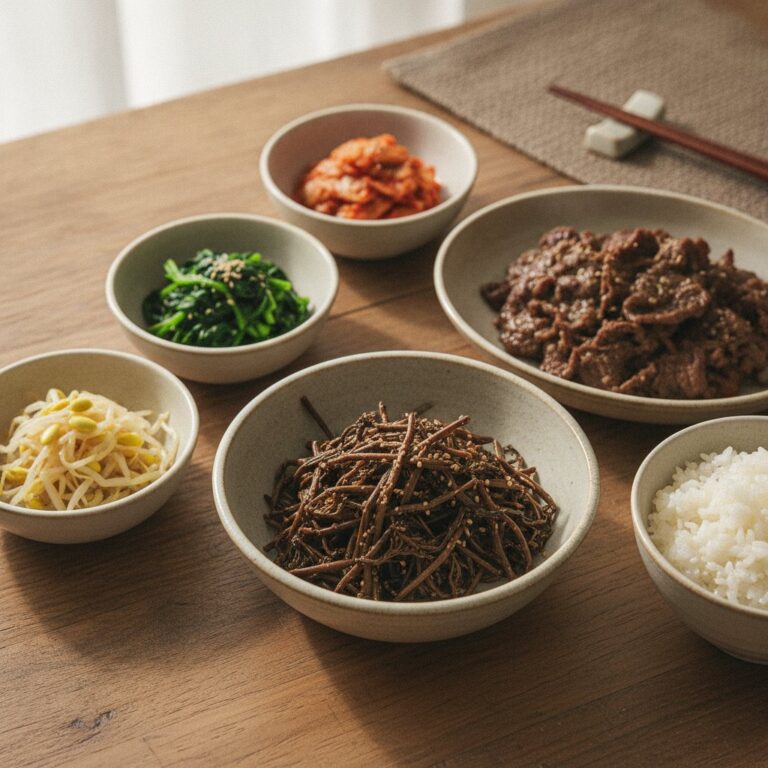
Annyeonghaseyo, my dear readers! It’s your Korean home cook here, writing from my cozy kitchen in Seoul. Today, I’m thrilled to share a recipe that is an absolute staple in every Korean household, especially if there are children around – or really, anyone who loves a bit of crunch and savory goodness with their meal. We’re talking about Gim Jaban (김자반), which translates to crispy seasoned seaweed crumbs. Imagine tiny, crunchy flakes of roasted seaweed, perfectly seasoned with a delicate balance of savory, salty, and a hint of sweet. It’s truly magic!
In my family, gim jaban is like a secret weapon for picky eaters. My own kids, and even my husband sometimes, would protest certain side dishes, but if I put out a bowl of gim jaban, their rice bowls would be clean in no time! It’s not just for kids, though. Koreans eat gim jaban as an everyday banchan (side dish), sprinkled over rice, tucked into a dosirak (lunchbox), or even as a quick, healthy snack on its own. It adds an incredible texture and umami boost to almost anything.
While you can buy pre-packaged gim jaban at Korean markets, making it at home is a game-changer. It’s fresher, crispier, and you can control the amount of seasoning and oil. Plus, it’s surprisingly easy, especially with this gim jaban recipe I’m sharing today. I know many of you shop at regular Western grocery stores, so I’ve designed this recipe to use ingredients you can mostly find there, with easy swaps for anything a little harder to source. Get ready to elevate your rice game – this crispy, savory goodness is about to become your new favorite pantry staple!

Ingredients
Here’s what you’ll need to make a generous batch of crispy, savory gim jaban:
- 10 sheets (approx. 20-25 g) large roasted seaweed (gim or nori sheets for gimbap, not snack seaweed)
- 3 tablespoons (45 ml) neutral oil (such as canola, grapeseed, or avocado oil)
- 2 tablespoons (30 ml) toasted sesame oil
- 1 teaspoon (5 ml) fine sea salt
- 1-2 teaspoons (5-10 ml) granulated sugar (adjust to your preference)
- 2 tablespoons (30 ml) toasted white sesame seeds
- Optional: 1/2 teaspoon soy sauce powder OR 1 teaspoon light soy sauce (for extra umami depth)
- Optional: 1/4 teaspoon gochugaru (Korean chili flakes) for a very mild, subtle kick
Substitutions:
Don’t worry if you can’t find every single item! Here are some practical swaps:
- Large Roasted Seaweed (Gim): This is key. Look for packages labeled ‘for gimbap’ or ‘sushi nori’ at Asian markets or even many larger Western supermarkets. These are large, thin, unsalted sheets. Avoid the small, pre-seasoned snack packs, as they are already oiled and seasoned, and won’t work for this recipe. If you absolutely cannot find large sheets, you might try using unsalted sushi nori, but be aware they can be thinner and might crisp up faster.
- Neutral Oil: Any mild-flavored, high-smoke-point oil like vegetable oil, sunflower oil, or even a light olive oil (not extra virgin) will work.
- Toasted Sesame Oil: This is pretty essential for the authentic Korean flavor. Most grocery stores carry it in the international aisle now. If you’re really in a pinch, you can try to toast your own sesame seeds and crush them with a little neutral oil, but the flavor won’t be quite the same.
- Soy Sauce Powder / Light Soy Sauce: If you don’t have soy sauce powder, a tiny bit of liquid soy sauce (about 1 teaspoon) can be added to the oil mixture. Be careful not to add too much, as it introduces moisture which can make the seaweed less crispy.
- Gochugaru: You can omit this if you prefer no spice at all, or use a tiny pinch of regular red pepper flakes if you have those on hand. The Korean gochugaru offers a unique mild, fruity heat.
🛒 Crispy Seasoned Seaweed Crumbs Recipe
As an Amazon Associate we earn from qualifying purchases.
Shop Ingredients & Tools →How to Make It
Making your own gim jaban is a labor of love that pays off in big flavor and crunch. Follow these steps carefully for the best results!
-
Prepare the Seaweed: First, gently toast your large sheets of roasted seaweed. You can do this by placing them directly over a low gas flame, moving them quickly with tongs until they turn a slightly brighter green and become very fragrant, about 5-10 seconds per side. Alternatively, you can use a dry non-stick pan over medium-low heat, pressing them down for about 10-15 seconds per side. The goal here is to enhance their aroma and crispness before seasoning, which will make them easier to crumble and give a deeper, nuttier flavor. Once toasted, let them cool slightly, then tear them into small, irregular pieces about 1/2 inch to 1 inch (1-2.5 cm) in size. Don’t worry about perfection; the random shapes add to the charm!
-
Create the Flavorful Oil Blend: In a small bowl, combine the neutral oil, toasted sesame oil, fine sea salt, granulated sugar, and any optional seasonings like soy sauce powder or gochugaru. Whisk everything together thoroughly until the salt and sugar begin to dissolve. Mixing the seasonings into the oil first ensures an even distribution of flavor later, preventing clumps of salt or sugar on your seaweed and allowing the oil to carry the flavor perfectly onto every tiny crumb.
-
First Seasoning Pass: Place the torn seaweed pieces in a large, wide bowl. Drizzle about half of the prepared oil mixture over the seaweed. Using your clean hands (gloves recommended to avoid sticky fingers!), gently toss and rub the seaweed pieces, ensuring they are evenly coated. Be gentle so you don’t crush them too much at this stage. This initial coating helps create a base layer of flavor and ensures the seaweed doesn’t clump together when it hits the pan.
-
Pan-Fry for Ultimate Crispness: Heat a large, wide non-stick pan or wok over medium-low heat. Add the coated seaweed to the pan. Now, this is crucial: you want to cook it slowly and gently. Continuously stir and toss the seaweed for about 5-8 minutes. As it cooks, the moisture will evaporate, and the seaweed will become incredibly crispy. The medium-low heat prevents burning while allowing the flavors to meld and the oil to penetrate. You’ll notice the color might deepen slightly, and the aroma will become more intense. It should feel light and very brittle.
-
Second Seasoning Pass & Toasted Sesame Seeds: Once the seaweed is beautifully crispy and fragrant, turn off the heat. Drizzle the remaining half of the oil mixture over the seaweed in the pan. Immediately add the toasted white sesame seeds. Continue to toss and stir the seaweed in the warm pan for another minute or two. Adding the rest of the seasoning and sesame seeds after the primary cooking ensures that the delicate sesame oil flavor and the crunch of the seeds are preserved, rather than being cooked off or softened by prolonged heat.
-
Cool Completely: Transfer the gim jaban from the hot pan to a large, clean baking sheet or a wide plate, spreading it out in a single layer. Let it cool completely at room temperature, undisturbed, for at least 30 minutes. This cooling period is vital; as the gim jaban cools, it will crisp up even further. If you store it while it’s still warm, condensation will form, and your beautiful crispy seaweed will become soggy.

Tips from a Korean Kitchen
Here are some insider tips to make your homemade gim jaban truly outstanding, just like the ones we enjoy in Seoul!
-
Don’t Over-Oil: While oil is essential for crispiness and flavor, too much will weigh down the seaweed, making it soggy instead of light and airy. Stick to the measurements, and if anything, err on the side of slightly less oil. The seaweed should be coated, not drenched.
-
Low and Slow is the Way to Go: High heat is the enemy of perfectly crispy gim jaban. It will burn the delicate seaweed quickly before it has a chance to crisp up properly. Always use medium-low heat and be patient. The extra few minutes on low heat are worth it for that perfect crunch.
-
Stir, Stir, Stir!: Constant stirring and tossing ensures that every piece of seaweed gets evenly exposed to the heat and the oil. This prevents some pieces from burning while others remain soft. It’s a bit of an arm workout, but crucial for uniform texture.
-
Season to Your Taste: My family’s recipe offers a great starting point, but feel free to adjust the sugar and salt to your preference. Some prefer it saltier, some a bit sweeter. You could even add a tiny pinch of garlic powder or onion powder for a different savory note, but do so sparingly to not overpower the delicate seaweed flavor.
Storage
Once your gim jaban is completely cool, transfer it to an airtight container. A cookie tin or a good quality plastic container works perfectly. Store it at room temperature, away from direct sunlight or humidity. It will stay wonderfully crispy and fresh for up to 2-3 weeks. There’s no need to refrigerate it, as the cold can introduce moisture and reduce its crispness. Freezing is also not recommended for the same reason.
🛒 Crispy Seasoned Seaweed Crumbs Recipe
As an Amazon Associate we earn from qualifying purchases.
Shop Ingredients & Tools →FAQ
Can I use pre-cut or snack seaweed for this recipe?
Unfortunately, no. Pre-cut seaweed for things like sushi rolls might work if it’s unsalted, but the small, individual snack packs of seasoned seaweed are already oiled and often quite salty. They won’t absorb the new seasoning correctly, and the double oiling will make them greasy rather than crispy. For the best results with this gim jaban recipe, always start with large, unseasoned, roasted seaweed sheets, typically sold for making gimbap (Korean seaweed rolls).
Why isn’t my homemade gim jaban crispy?
There are a few common culprits! The most frequent reasons are too much oil, not enough initial dry roasting of the seaweed, cooking on too high a heat, or not allowing it to cool completely before storing. Ensure you toast the plain seaweed first to dry it out, use medium-low heat for the pan-frying stage, and definitely let it spread out and cool completely at room temperature. Also, remember to not over-oil the seaweed in step 3.
What are the best ways to enjoy Gim Jaban?
Oh, the possibilities are endless! The most classic way is simply sprinkled over a bowl of hot, steamy rice. It’s also fantastic as a topping for bibimbap (mixed rice with vegetables), or a simple bowl of ramyeon (instant noodles) for added texture. My kids love it mixed into rice balls (jumeokbap) or sprinkled over scrambled eggs. You can even use it as a crunchy garnish for soups or a unique, addictive snack straight from the container. It’s the ultimate umami booster for almost any meal!
More on Pantry Snacks & Condiments
- How to Make Dasima BugakA recipe guide for making dasima bugak, a crispy fried Korean sea kelp snack.
- Seasoned Pollack Roe (Myeongranjeot Muchim)How to season Korean salted pollack roe with sesame oil, garlic, and aromatics.
- Authentic Homemade Ssamjang RecipeA guide to making authentic Korean ssamjang dipping sauce using a traditional 2:1 paste ratio.
See every Pantry Snacks & Condiments post in our Banchan guide.
Handy toolsRecipe scaler · Measurement converter · Korean pantry guide · Recipe Finder
🛒 Crispy Seasoned Seaweed Crumbs Recipe
As an Amazon Associate we earn from qualifying purchases.
Shop Ingredients & Tools →More Korean Recipes
- Easy & Healthy Broccoli Tofu Muchim (브로콜리 두부무침) – A Korean Side Dish
- Sweet-Spicy Ojingeochae Muchim (Dried Squid)
- Sweet & Sticky Yeongeun Jorim (Korean Lotus Root)
- Savory Beoseot Bokkeum (Korean Stir-Fried Mushrooms)
🛒 Crispy Seasoned Seaweed Crumbs Recipe
As an Amazon Associate we earn from qualifying purchases.
Shop Ingredients & Tools →