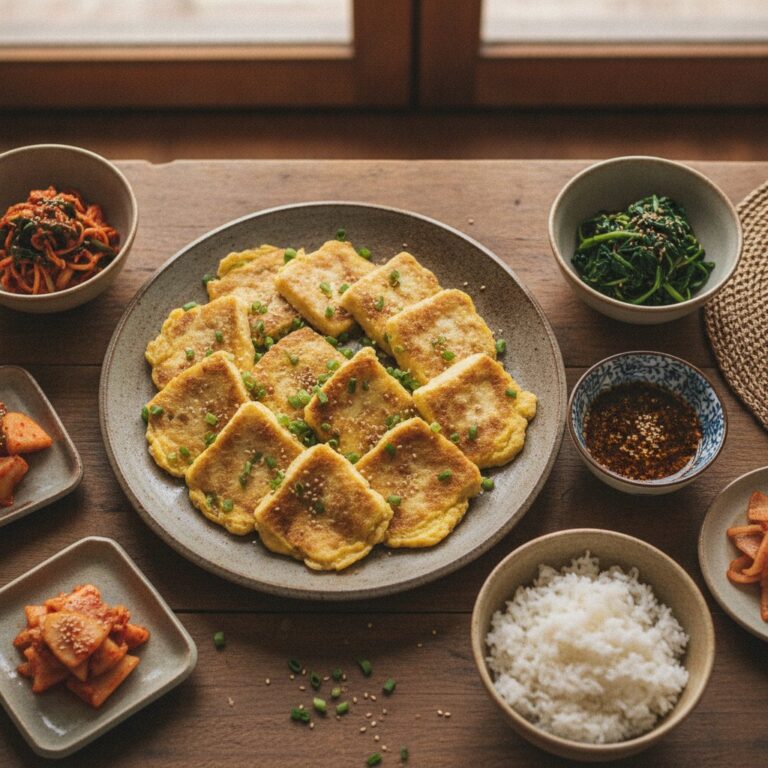
Korean Spinach Side Dish (Sigeumchi Namul): Easy & Authentic Recipe
This post contains affiliate links. As an Amazon Associate, we earn from qualifying purchases at no extra cost to you.
At a glance
- In shortLearn how to make Sigeumchi Namul, an authentic Korean seasoned spinach side dish, using simple pantry ingredients.
- Best forHome cooks wanting an easy Korean spinach banchan recipe
- DifficultyEasy
- HeatNot spicy
- Key pointsBlanch spinach for only 30-60 seconds, then immediately shock in ice water. · Squeeze out as much water as possible to prevent diluting the seasoning. · Gently massage spinach with garlic, sesame oil, soy sauce, and green onions.
- Heads-upDo not over-blanch the spinach or it will become mushy, soggy, and lose its color.
Across thousands of Korean dining tables, from bustling restaurants to quiet family homes, one banchan consistently appears: Sigeumchi Namul. This vibrant, garlicky, and nutty spinach dish is an essential staple, proudly taking its place amongst other small plates at nearly every meal, from a quick weekday lunch to a festive holiday feast.
For me, sigeumchi namul brings back so many fond memories. In my family, my grandmother was a master of namul. Her hands seemed to know exactly how much to squeeze the blanched greens, how much garlic to mince, and how much sesame oil to drizzle. There’s something incredibly comforting about these simple, seasoned vegetables. They are the backbone of a Korean meal, offering balance, freshness, and a gentle earthy flavor that complements richer, spicier main dishes.
Many people outside Korea might associate Korean food with fiery gochujang or savory bulgogi. While those are definitely cornerstones, it’s the namul — the seasoned vegetable side dishes — that truly showcase the healthy, balanced nature of everyday Korean dining. Sigeumchi namul is a perfect example: it’s incredibly healthy, packed with nutrients, and surprisingly easy to make. Plus, it’s naturally vegetarian and vegan-friendly, making it a fantastic addition to any diet.
This version of sigeumchi namul is exactly how we make it at home in Seoul. It uses fresh spinach, blanched quickly to maintain its vibrant color and tender-crisp texture, then tossed with a simple yet incredibly flavorful seasoning blend. You won’t need any exotic ingredients that are hard to find at your regular Western grocery store, which is exactly why I love sharing this recipe with you. With a few common pantry items and some fresh spinach, you’ll be able to bring a taste of authentic Korean home cooking right to your kitchen.
So, let’s get started on making this versatile and delicious Korean spinach side dish that you’ll want to have on your table every day!
Ingredients
- 500 g (about 1 lb) fresh spinach, preferably Korean or baby spinach
- 3 cloves garlic, minced
- 2 tablespoons green onion (scallion), finely chopped
- 1 tablespoon soy sauce (preferably guk ganjang, Korean soup soy sauce, or regular all-purpose soy sauce)
- 1 tablespoon toasted sesame oil (chamgireum)
- 1 teaspoon toasted sesame seeds (kkae)
- 1/2 teaspoon fine sea salt (for blanching) + pinch for seasoning, or to taste
- 1/4 teaspoon sugar (optional, just a tiny pinch to balance flavors)
- Pinch of black pepper (optional)
Substitutions
While most of these ingredients are readily available, here are a few notes on substitutions for authentic Korean flavor:
- Guk Ganjang (Korean Soup Soy Sauce): This specific type of soy sauce is lighter in color but has a strong, deep umami flavor that is traditional for namul and soups. If you can find it at an Asian market, I highly recommend it for its authentic taste. However, if not, regular all-purpose soy sauce (like Kikkoman or a standard Korean soy sauce for all dishes) works perfectly fine. Just be aware that it might slightly darken the color of the spinach, and you might need a tiny bit less as it can be saltier.
- Toasted Sesame Oil: For the best flavor, look for a good quality, deeply toasted sesame oil. Many brands are available at Western grocery stores. If you find a Korean brand like Ottogi or CJ CheilJedang, even better! The aroma and depth of flavor are crucial here, so avoid non-toasted or light sesame oils.
- Spinach Type: Korean spinach (sigeumchi) typically has longer, thinner stems and smaller leaves than the common Western spinach, sometimes with a slightly sweeter flavor. Baby spinach is a great substitute as it’s tender and doesn’t have overly thick stems. If using larger-leafed regular spinach, you might want to remove very thick stems for a more delicate texture.

How to Make It
- Prepare the Spinach: Start by washing your spinach thoroughly under cold running water. Spinach, especially if it’s from a farm, can sometimes carry a lot of soil. Giving it a good rinse, perhaps even two or three times in a large bowl of water, will ensure you remove any grit. Korean mothers always emphasize cleanliness, especially with fresh vegetables!
- Blanch the Spinach: Bring a large pot of water to a rolling boil. Add 1/2 teaspoon of fine sea salt to the water. The salt helps to preserve the spinach’s vibrant green color and seasons it slightly from within. Carefully submerge the spinach into the boiling water. This step is crucial for texture. You only want to blanch it for about 30 seconds to 1 minute, depending on the thickness of your spinach. The goal is for the spinach to just wilt and turn a brighter green, not to become mushy. Overcooking will result in bland, soggy spinach that loses its appealing bite.
- Shock and Squeeze: Immediately transfer the blanched spinach to a bowl of ice-cold water. This stops the cooking process instantly, helping to lock in that beautiful green color and maintain its crisp texture. Let it cool for a minute or two. Then, gather handfuls of spinach and squeeze out as much water as you possibly can. This is perhaps the most important step for sigeumchi namul! Excess water will dilute your seasoning and result in a watery, less flavorful dish. My halmeoni (grandmother) always said, “Squeeze like you mean it!” You should end up with tightly packed, almost dry balls of spinach.
- Chop the Spinach: Once squeezed, place the spinach on a cutting board. If you’re using longer spinach, chop it into 2-3 inch (5-7 cm) pieces. This makes it easier to eat with chopsticks and ensures the seasoning is evenly distributed throughout. If using baby spinach, a quick chop or even leaving it whole might be fine, depending on its size.
- Prepare the Seasoning: In a medium mixing bowl, combine the minced garlic, finely chopped green onion, soy sauce (guk ganjang or regular), toasted sesame oil, toasted sesame seeds, and the optional pinch of sugar and black pepper. The sugar, even just a tiny amount, helps to balance the savory and umami flavors without making the dish sweet. The garlic and sesame oil are the stars here, providing the signature aromatic and nutty notes.
- Season the Spinach: Add the chopped and squeezed spinach to the bowl with the seasoning mixture. Using your clean hands (the traditional and best way!), gently massage the seasoning into the spinach. Don’t be afraid to get in there and mix it thoroughly. This ensures every strand of spinach is coated with the delicious seasoning. This hands-on approach also helps to slightly tenderize the spinach further and awaken the flavors.
- Taste and Adjust: This is where your personal preference comes in. Take a small bite of the seasoned spinach. Does it need more salt? More sesame oil? Perhaps a tiny bit more garlic? Adjust the seasoning to your liking. Every batch of spinach can be a little different, so tasting is key to perfection. Koreans rarely measure things rigidly; it’s all about tasting as you go!
- Serve: Transfer the sigeumchi namul to a serving plate. It’s ready to be enjoyed immediately as a banchan with any Korean meal, or even as a healthy snack on its own.

🛒 Korean Spinach Side Dish
As an Amazon Associate we earn from qualifying purchases.
Shop Ingredients & Tools →Tips from a Korean Kitchen
- Do Not Over-Blanch: This is the golden rule for sigeumchi namul! Overcooked spinach loses its vibrant color, texture, and fresh flavor. Aim for 30 to 60 seconds maximum before transferring to ice water.
Scaling & Make-Ahead
Scaling: You can easily double or triple this recipe for meal prep. Simply scale the spinach and seasonings proportionally. When working with larger batches, blanch the spinach in two separate batches to avoid dropping the water temperature too drastically.
Make-Ahead & Storage: Sigeumchi namul keeps well in an airtight container in the refrigerator for about 3 to 4 days. While it can be enjoyed chilled straight from the fridge, letting it sit at room temperature for 10–15 minutes before serving allows the sesame oil and garlic aromatics to fully blossom.
If Something Goes Wrong
| Problem | Likely Cause | Fix |
|---|---|---|
| Dish is watery or bland | Insufficient squeezing after ice shock | Gently squeeze excess water out again; massage in an extra pinch of sea salt or a few drops of soy sauce. |
| Spinach is mushy and dark | Over-blanching in hot water | Blanching was too long. Next time, limit to 30–60 seconds and transfer immediately into an ice bath. |
| Dish tastes overly salty | Too much soy sauce or salt added | Blanch a small additional bundle of plain spinach (unsalted) and mix it into the batch to balance out the saltiness. |
Key Takeaways
- Quick Blanching is Key: Blanching spinach for just 30 to 60 seconds followed by an immediate ice bath locks in nutrients, bright color, and tender texture.
- Squeeze Thoroughly: Squeezing as much water out as possible prevents diluted flavors and keeps the banchan fresh and crisp.
- Traditional Seasoning Balance: Nutty toasted sesame oil, minced garlic, scallions, and guk ganjang deliver authentic, subtle Korean home-cooked flavor.
🛒 Korean Spinach Side Dish
As an Amazon Associate we earn from qualifying purchases.
Shop Ingredients & Tools →More on Seasoned Namul & Salads
- Kongnamul Muchim Two WaysLearn how to make classic Korean seasoned bean sprouts in both non-spicy and spicy versions.
- Musaengchae: Korean Radish SaladLearn how to make Musaengchae, a crisp, sweet, tangy, and mildly spicy Korean shredded radish salad.
- Gaji Namul (Korean Steamed Eggplant)Learn how to make authentic Gaji Namul, a simple steamed Korean eggplant side dish.
See every Seasoned Namul & Salads post in our Banchan guide.
Handy toolsRecipe scaler · Measurement converter · Korean pantry guide · Recipe Finder
More Korean Recipes
- Korean Stir-Fried Garlic Scapes (Maneul Jong Bokkeum)
- Korean Sweet Soy Braised Peanuts (Ttangkong Jorim)
- Gochu Doenjang Muchim (Crunchy Korean Peppers)
- Sweet and Tangy Korean Seaweed Salad (Miyeok Muchim)
🛒 Korean Spinach Side Dish
As an Amazon Associate we earn from qualifying purchases.
Shop Ingredients & Tools →