
Many home cooks struggle with kimchi because they use overly sour kimchi for fresh eating or throw away well-aged batches thinking they have spoiled. Improper salting and incorrect storage temperatures also lead to soggy textures or uneven fermentation, leaving home-cooked Korean dishes lacking balanced acidity and depth.
Browse the sections below to master basic fermentation, learn which kimchi age works best for soups and stir-fries, and explore simple recipes ranging from quick fresh side dishes to savory pancakes.
Tools & resourcesRecipe Finder · Measurement Converter · Recipe Scaler · Korean Pantry Guide
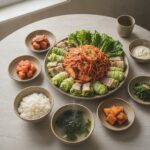
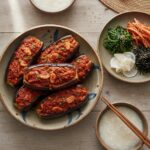
Vegetable & Fresh Kimchi (13)
Vegetable & Fresh Kimchi: what to know first
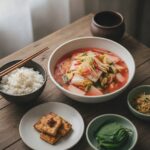
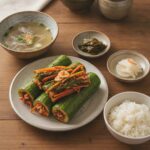
- Fresh kimchi varieties like geotjeori require no fermentation and should be eaten immediately after seasoning.
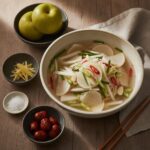
- Cucumbers and radishes need proper salting and draining to prevent excess water from diluting the seasoning paste.
- Chives and green onions soften quickly, so handle them gently when tossing with the chili mixture.
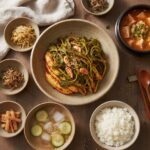
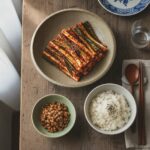
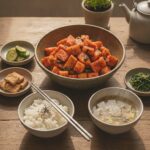
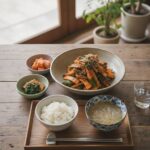
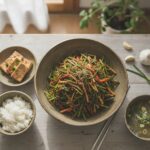
Kimchi Soups & Stews (8)
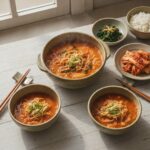
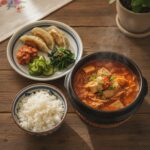
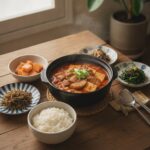
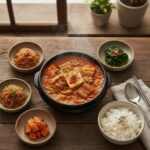
Kimchi Soups & Stews: what to know first
- Well-aged, sour kimchi creates a richer broth foundation than newly made or unfermented fresh kimchi.
- Sautéing kimchi in oil or pork fat before adding liquid enhances depth and softens harsh acidity.
- A splash of fermented kimchi brine serves as a natural seasoning to balance flavor and saltiness.
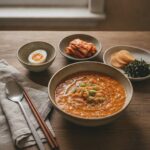
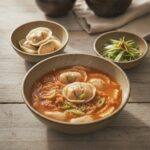
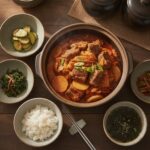
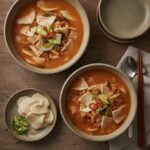
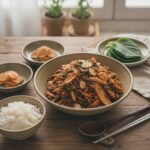
Kimchi Rice & Mains (8)
Kimchi Rice & Mains: what to know first
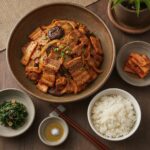
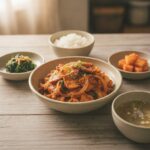
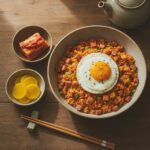
- Squeezing out excess juice prevents fried rice and stir-fries from becoming soggy during high-heat cooking.
- Adding a small amount of sugar balances intense sourness without making the savory dish taste sweet.
- Fatty meats like pork belly pair well with acidic kimchi by cutting through the rich grease.
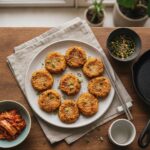
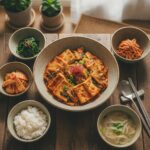

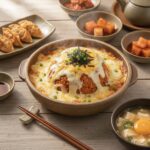

Homemade Kimchi Basics (7)
Homemade Kimchi Basics: what to know first
- Coarse Korean sea salt extracts moisture efficiently while maintaining the structural crispness of cabbage leaves.
- Glutinous rice porridge helps the chili paste adhere evenly to vegetables and aids the fermentation process.
- Keep kimchi at room temperature for one or two days before transferring it to cold storage.
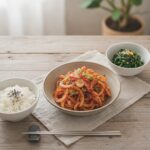
Kimchi Noodles & Pasta (5)
Kimchi Noodles & Pasta: what to know first
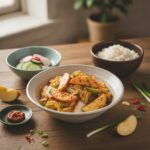
- Cold noodle dishes rely on chilled kimchi broth combined with sesame oil and light soy sauce.
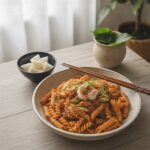
- Dairy elements like cream or butter mellow the spiciness of fermented kimchi in modern pasta dishes.
- Cook wheat noodles separately and rinse in cold water to remove excess starch before combining.
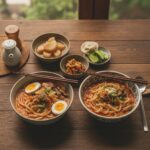
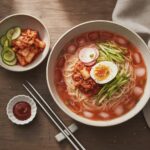
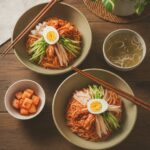
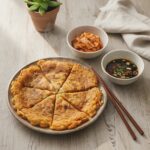
Kimchi Pancakes & Snacks (5)
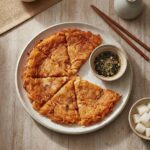
Kimchi Pancakes & Snacks: what to know first
- Cold water or ice cubes added to batter create a crisper texture when fried in oil.
- Chopping kimchi finely ensures even distribution and prevents large pockets of moisture inside the pancake.
- Shallow fry with generous oil over medium-high heat to achieve a crunchy exterior without burning.


FAQ
How do I know if my kimchi has gone bad or is just sour?
Heavily fermented kimchi is naturally sour and ideal for cooking. It has gone bad if you notice mold growth, a soft slimy texture throughout the vegetables, or an off-putting putrid smell distinct from typical sharp fermentation.
Can I make kimchi without fish sauce or shrimp paste?
Yes, vegan kimchi uses soy sauce, Yondu, or kelp broth to provide umami depth. Combining mushroom powder with sea salt also mimics the complex savory flavors traditionally provided by fermented seafood products.
Why did my homemade kimchi turn out soggy instead of crunchy?
Soggy kimchi usually results from under-salting during the initial wilt phase or storing the vegetables at warm room temperatures for too long. Using fine table salt instead of coarse Korean sea salt can also degrade vegetable texture.
Prefer newest first? Browse all Kimchi posts. Other guides: Main Dishes · Banchan · Soups & Stews